Serving Little Elm and connected North Texas communities
+1 (817) 660-7732Send Photos ↗
Masonry and neighborhood context in Little Elm, Texas

Little Elm / Denton County

Brick & Masonry Services in Little Elm, Texas

Local brick repair, mortar work, stone masonry and new construction—scoped from the actual wall, visible condition and project goal.

01Fast photo reviewUseful photos help us begin with the right questions.02Prompt schedulingWe keep the next step clear and practical.03Durable scopeQuality and cost are considered together.

Request a Little Elm masonry review

Quick start

Tell us where the work is and what you need. We will reply with a clear next step.

Quick local answer

Do you serve Little Elm for brick and masonry work?

Yes. North Texas Brick & Masonry reviews residential and small commercial projects in Little Elm and connected Dallas–Fort Worth communities, subject to the actual address, scope, access and schedule.

Fast-growing lakeside neighborhoods make drainage paths and movement details especially visible. That local context makes veneer movement, mortar repair and outdoor masonry useful starting topics, but it is not a diagnosis of every property in the city.

For a Little Elm property, age alone does not select the repair. Exposure, openings, drainage and earlier alterations usually tell a more useful story.

For Little Elm owners, the useful first question is what changed and where the pattern sits in the building. Confirm whether new work needs drainage, support or movement details instead of copying only the appearance of nearby masonry. Matching expectations improve when the proposal defines an acceptable range instead of promising instant invisibility. The final proposal should preserve that logic in plain language and measurable quantities.
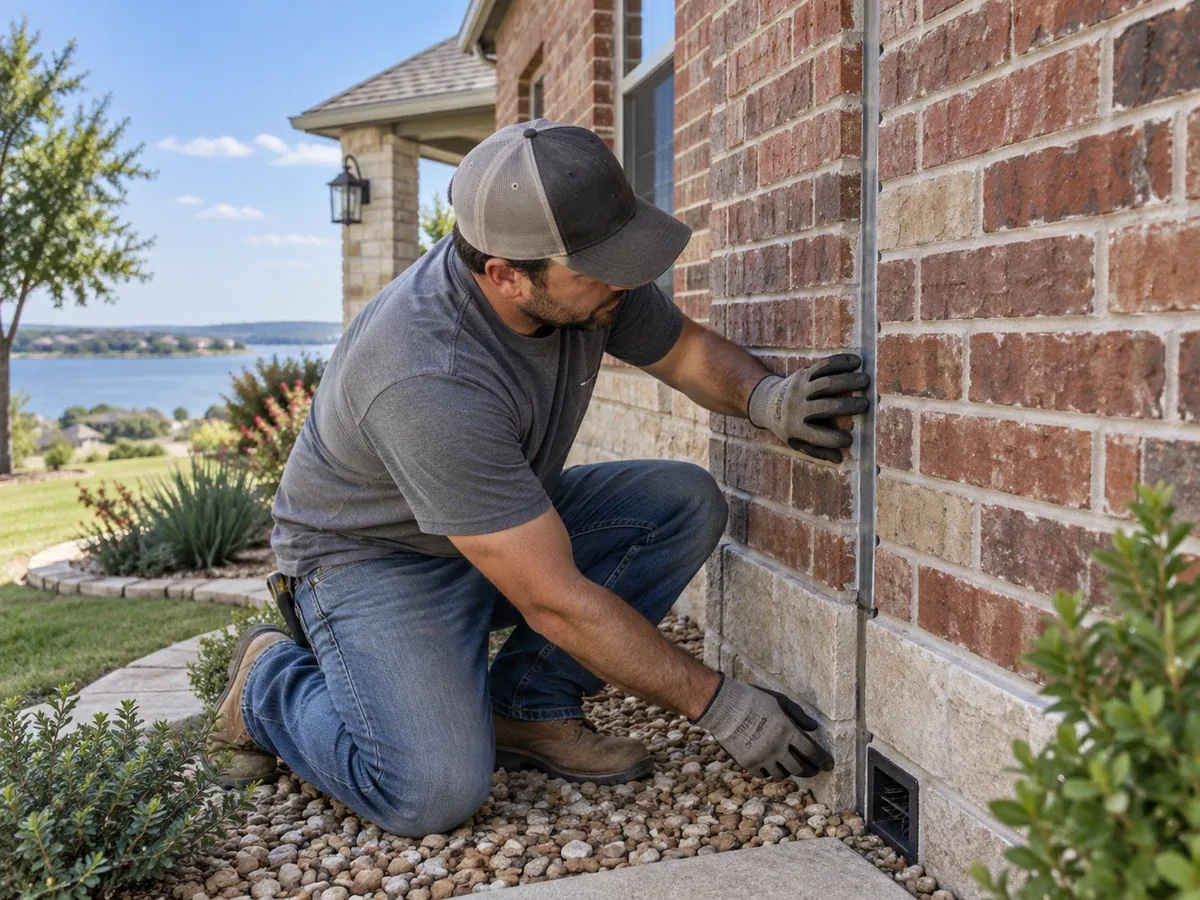
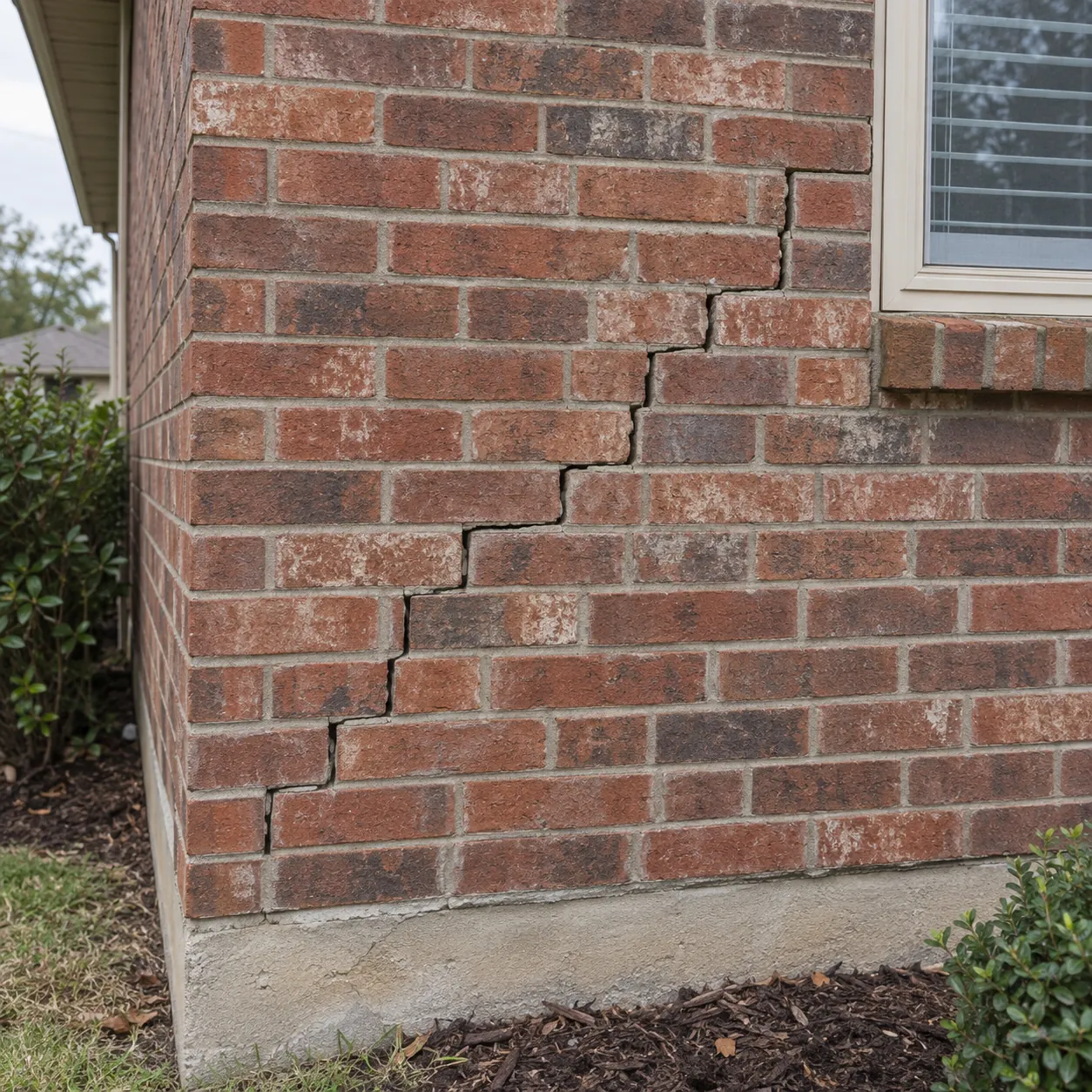
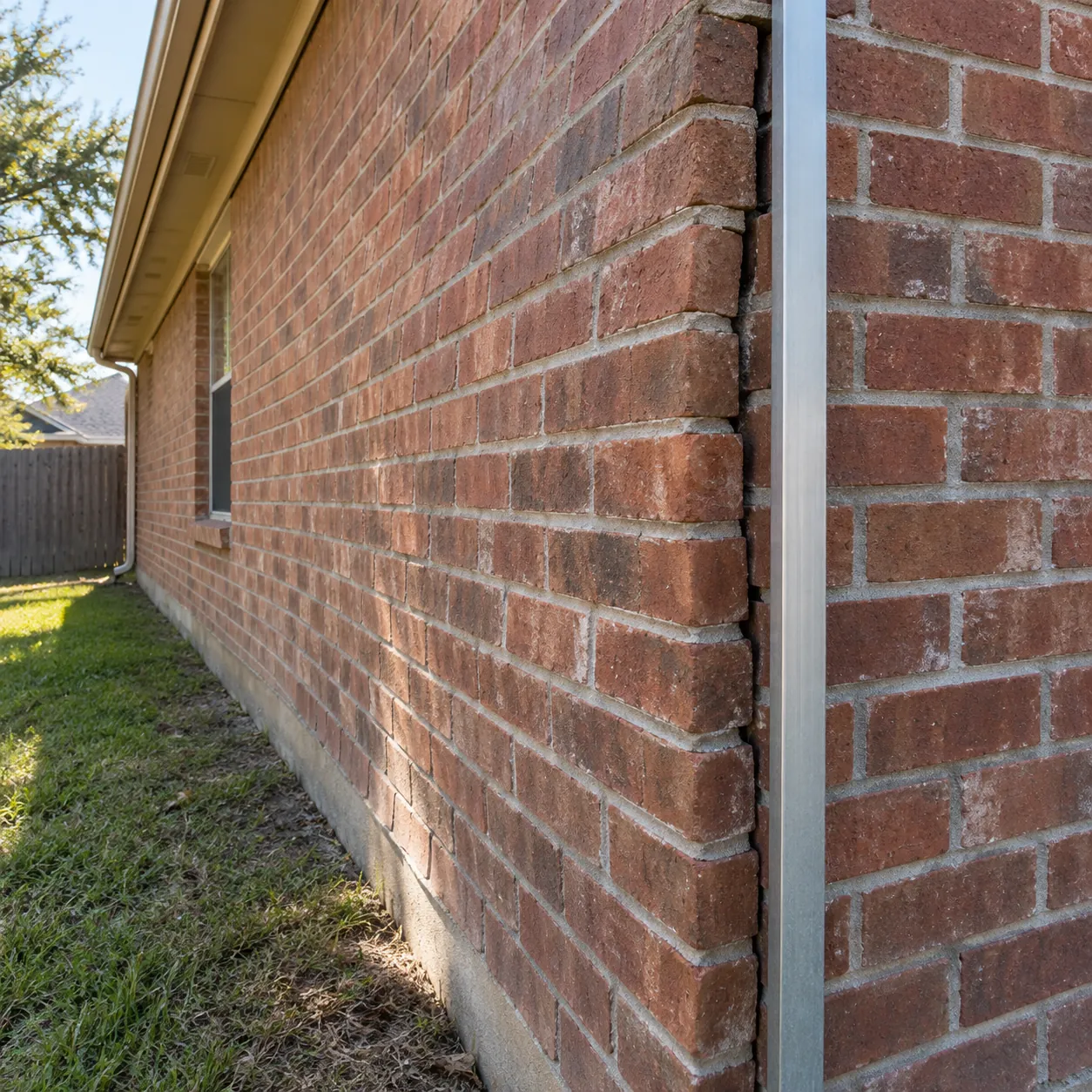
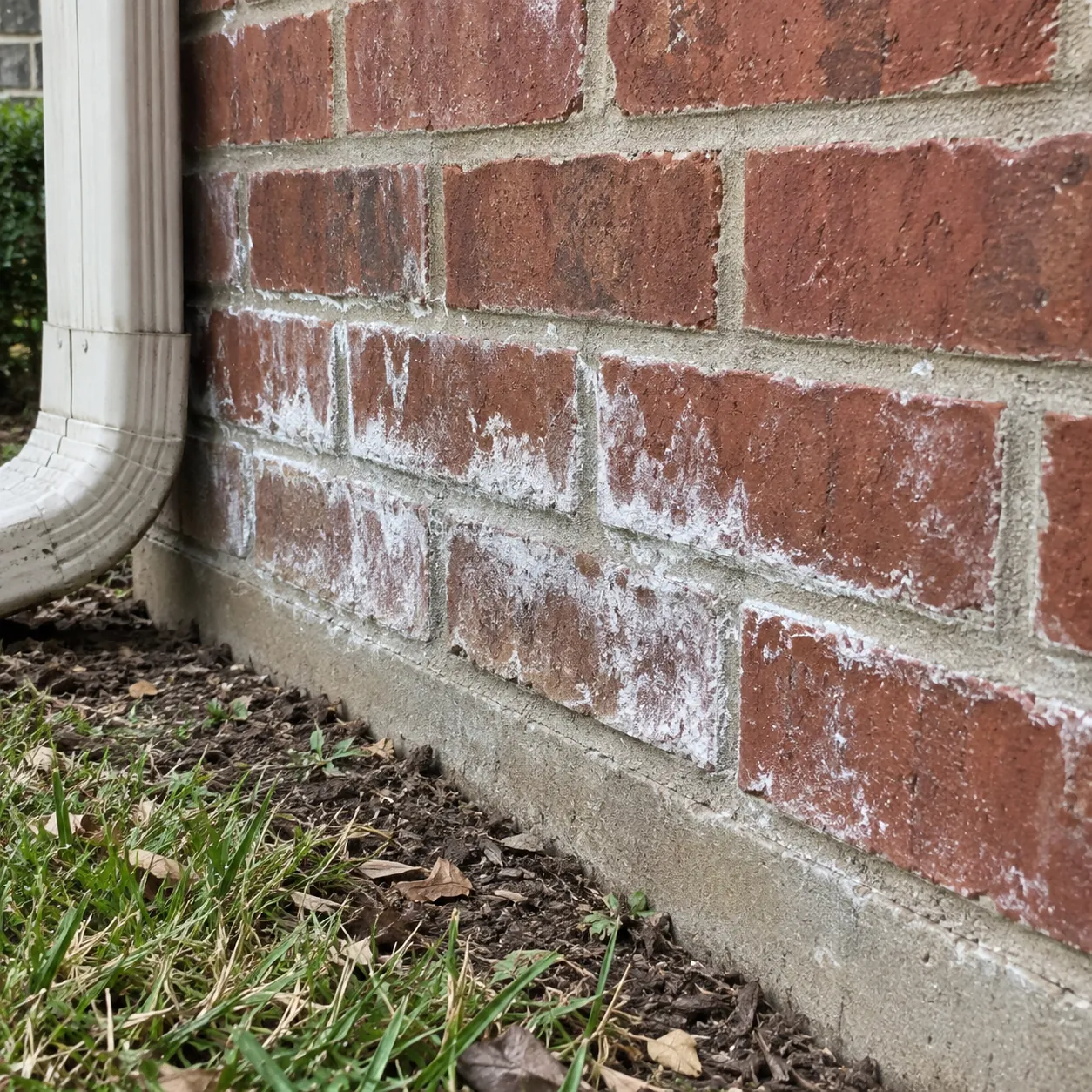
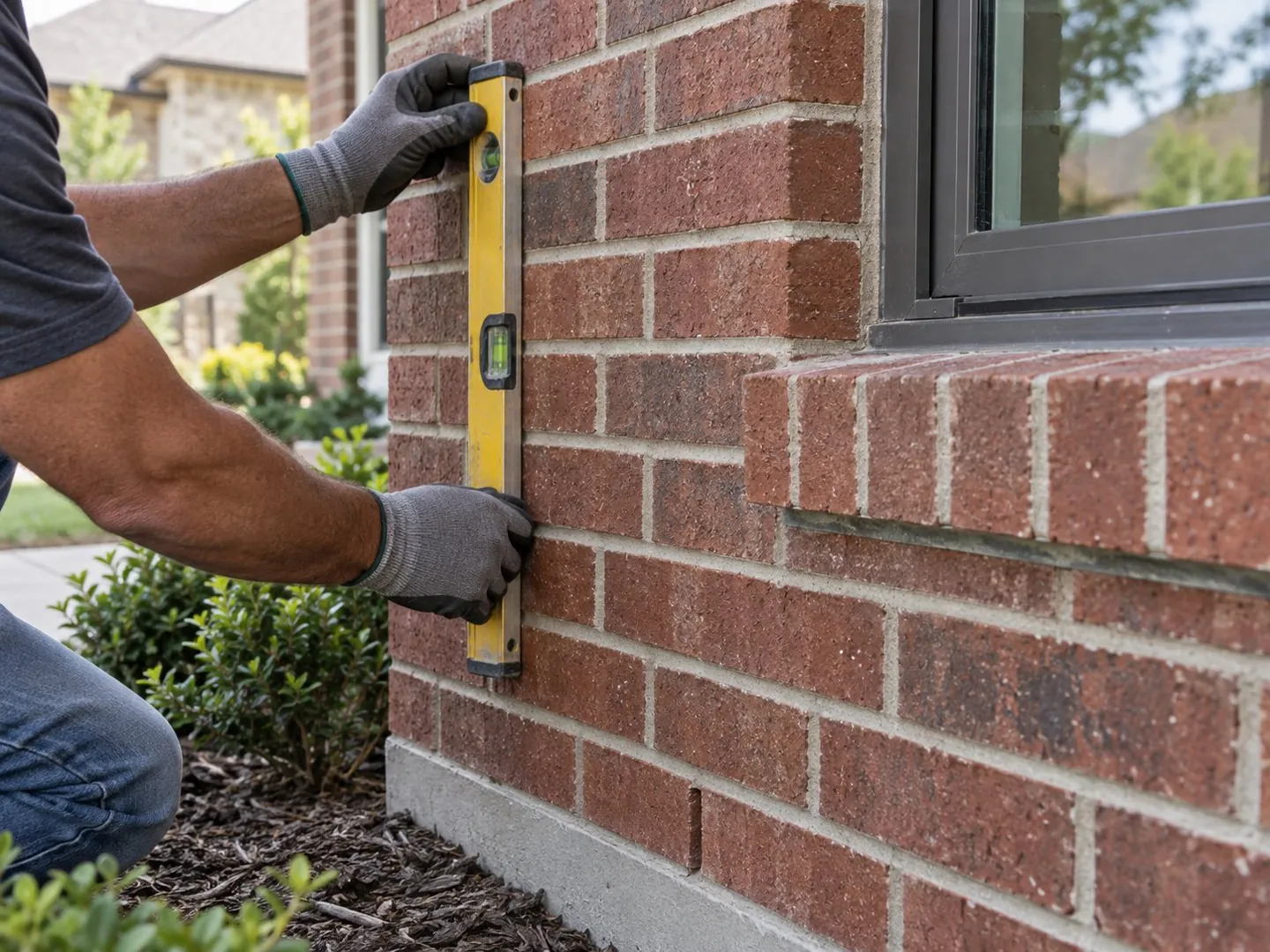
Square educational masonry view for Little Elm, Texas
Local service-area illustration. It is not represented as a completed customer project or a separate Little Elm office.

Problem → possible cause → evaluation

Use the visible symptom to choose the next question.

A list of possible causes is not a remote diagnosis. It prevents a cosmetic repair from being selected before water, movement, support or material compatibility has been considered.

Visible conditionPossible contributorWhat to evaluate next
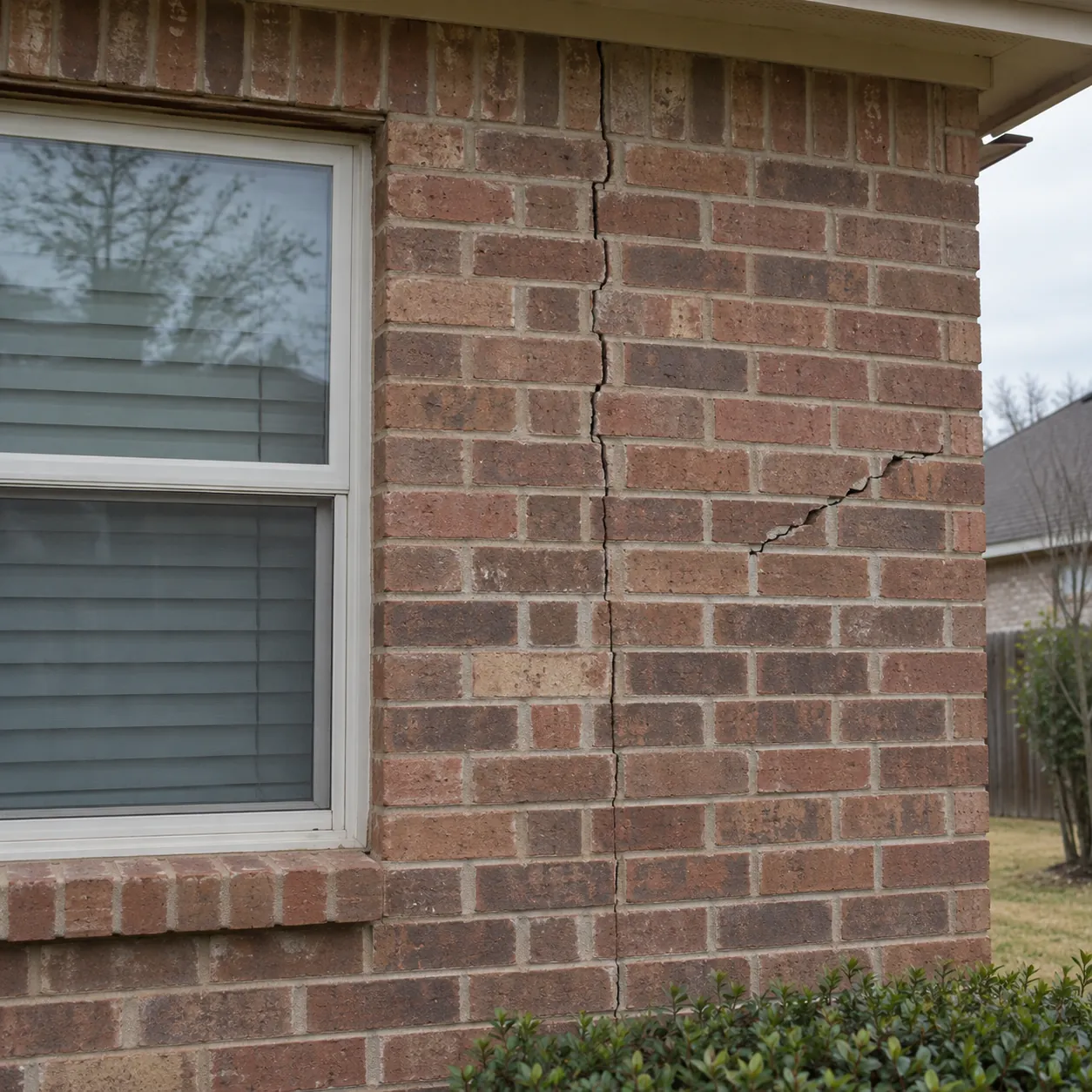
Stair-Step Brick CracksDifferential foundation movementDifferent parts of the supporting structure can move by different amounts.Whole-wall pattern, openings, grade, moisture path, displacement and change over time.
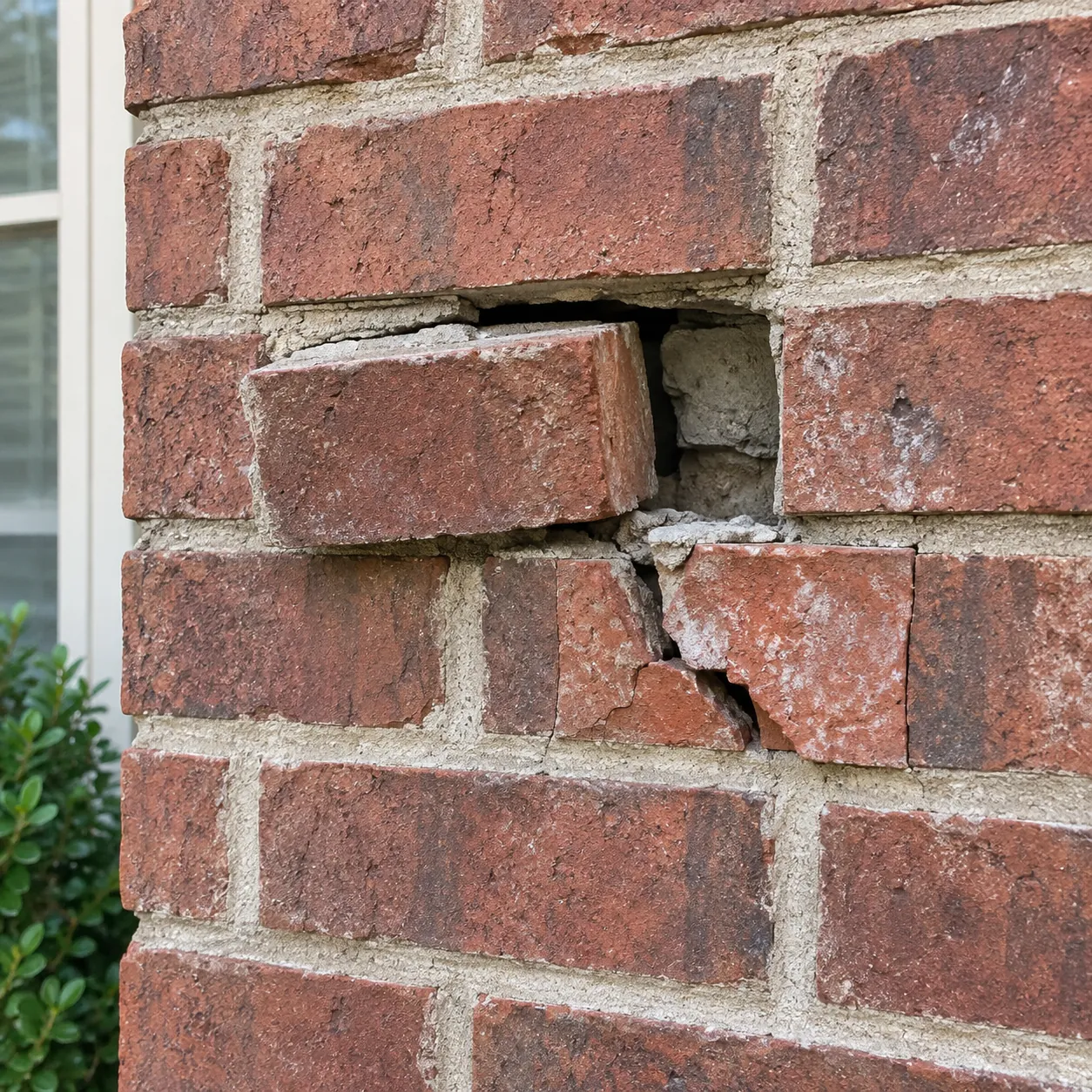
Loose or Broken BricksLost mortar bondWeathered or poorly bonded joints can stop restraining the unit.Whole-wall pattern, openings, grade, moisture path, displacement and change over time.
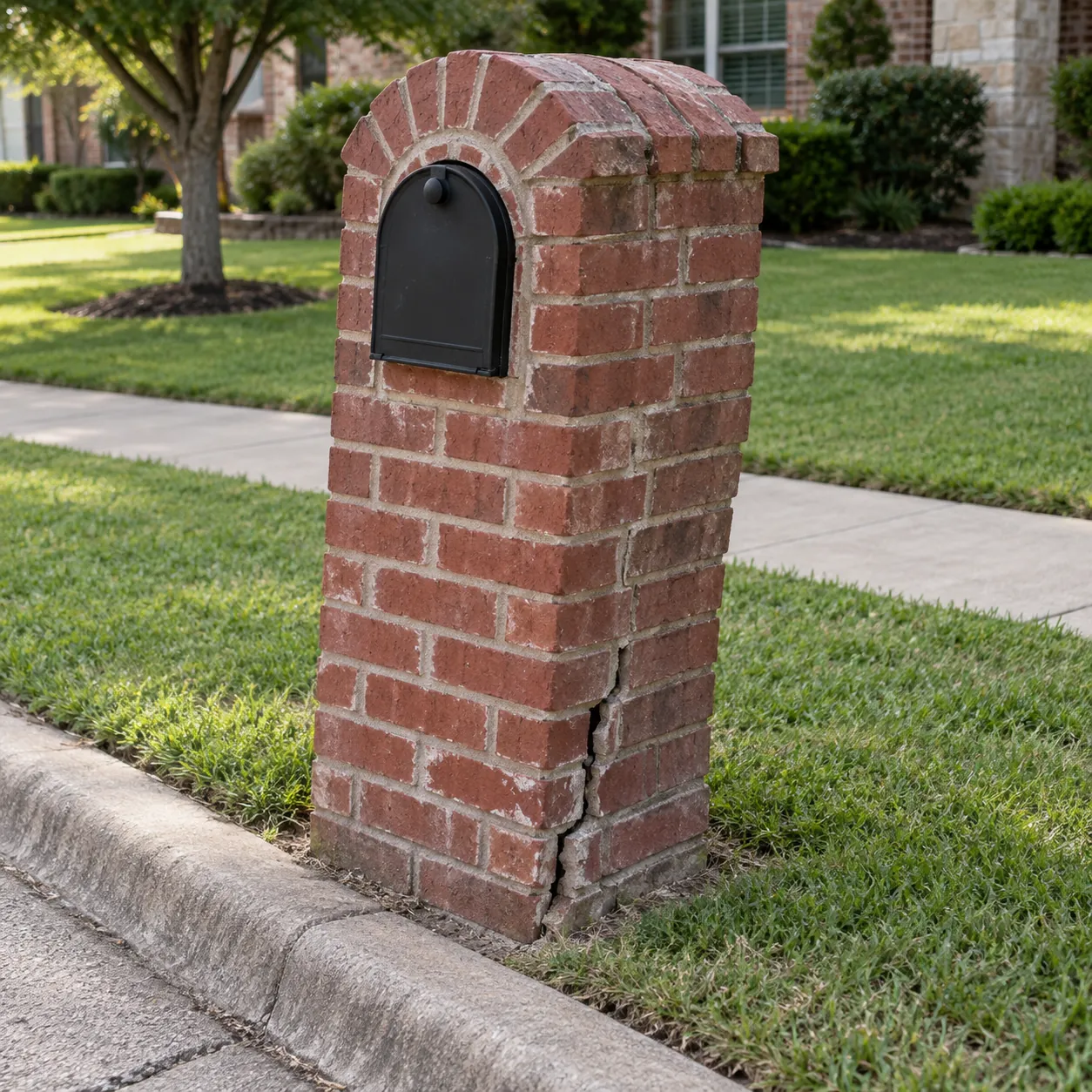
Leaning or Damaged Brick Mailboxes & WallsRoot or soil movementLocalized heave and shrink-swell conditions can affect a shallow base.Whole-wall pattern, openings, grade, moisture path, displacement and change over time.
Cracks in Brick WallsWater and freeze-related damageRepeated wetting can weaken mortar or brick and make existing cracks more visible.Whole-wall pattern, openings, grade, moisture path, displacement and change over time.
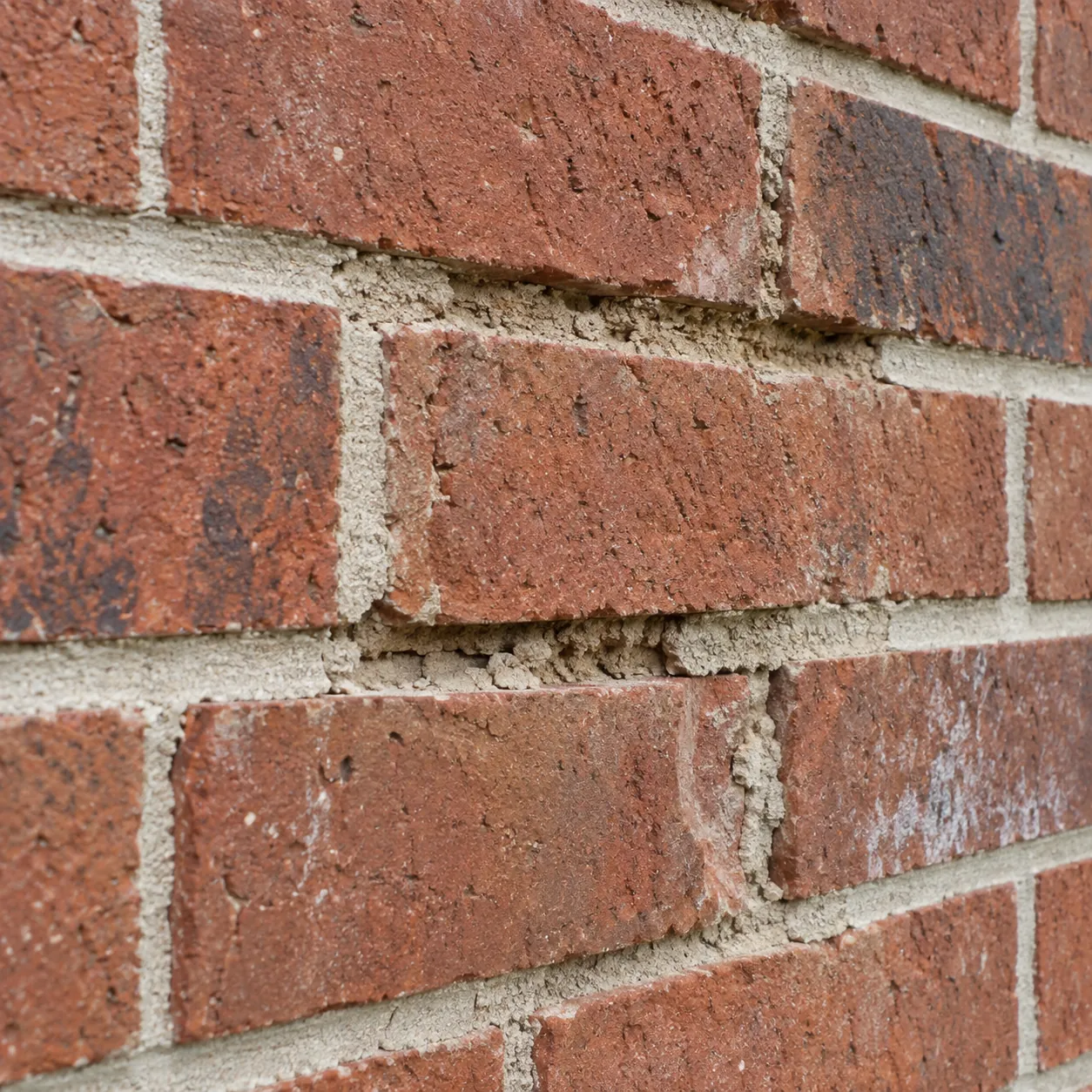
Crumbling Mortar JointsMovement across the jointOpening and closing can break otherwise serviceable mortar.Whole-wall pattern, openings, grade, moisture path, displacement and change over time.

North Texas building context

Climate and soil explain why we ask questions—not what failed.

A request from Little Elm should begin with the complete feature rather than the most dramatic close-up. Confirm whether new work needs drainage, support or movement details instead of copying only the appearance of nearby masonry. Curing and cleanup are part of the installation sequence, not optional details added after the price is agreed. The result is a practical next step rather than a citywide promise unsupported by the property.

A useful local answer for Little Elm connects the search phrase to the actual assembly and desired outcome. Confirm whether new work needs drainage, support or movement details instead of copying only the appearance of nearby masonry. Permit and historic-review questions belong to the actual address, not to a generic statement about the entire city. It also creates a useful record for monitoring if immediate masonry work is not yet justified.

Local property differences

Little Elm is not one wall type or one construction era.

Fast-growing lakeside neighborhoods make drainage paths and movement details especially visible. Within the same city, a full-depth older masonry wall, modern brick veneer, chimney, mailbox, garden wall and stone façade behave differently because their support and exposure differ.

Before selecting a repair in Little Elm, compare the affected material with sound masonry on the same elevation. Confirm whether new work needs drainage, support or movement details instead of copying only the appearance of nearby masonry. The inspection should explain what is confirmed, what remains an assumption and what finding would change the method. That distinction protects the owner from comparing bids that describe different amounts of work.

Masonry services in Little Elm

Build, repair and restore—with the complete scope visible.

Every service below has a detailed page explaining fit, preparation, materials, cost factors, limitations and related problem guides.

Lintel & Arch Repair educational service example
01 / Service

Lintel & Arch Repair

Cracking and displacement over openings investigated before brick and mortar are rebuilt.

View service ↗
Brick Matching & Replacement educational service example
02 / Service

Brick Matching & Replacement

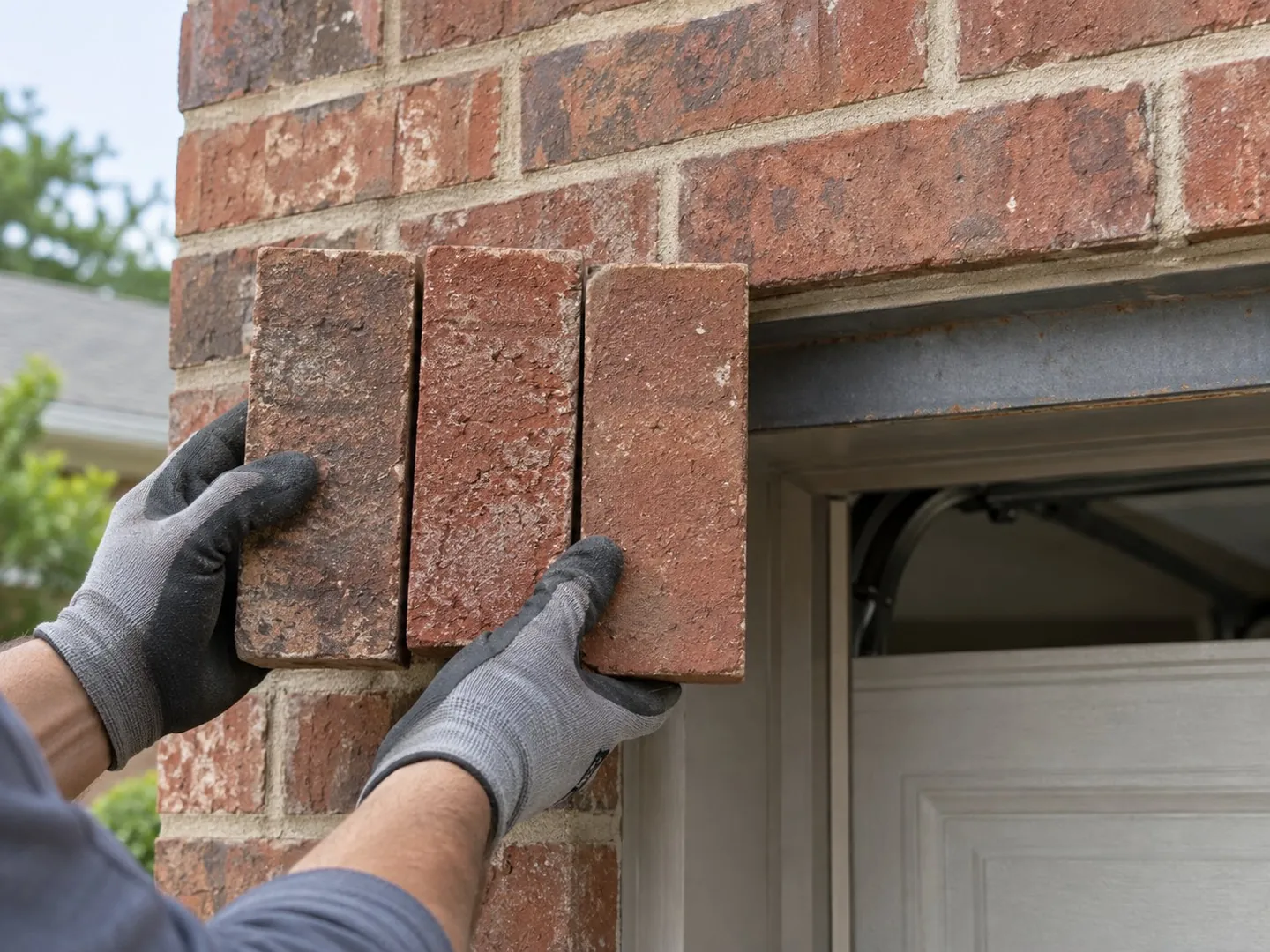
Replacement brick selected by size, texture, absorption, color range and weathered appearance.

View service ↗
Bricklaying & New Masonry Construction educational service example
03 / Service

Bricklaying & New Masonry Construction

New brickwork planned around structure, drainage, movement and finish—not only appearance.

View service ↗
Brick Walls & Brick Veneer educational service example
04 / Service

Brick Walls & Brick Veneer

Exterior brick walls and veneer features scoped with the supporting assembly and water path in mind.

View service ↗
Stone Masonry educational service example
05 / Service

Stone Masonry

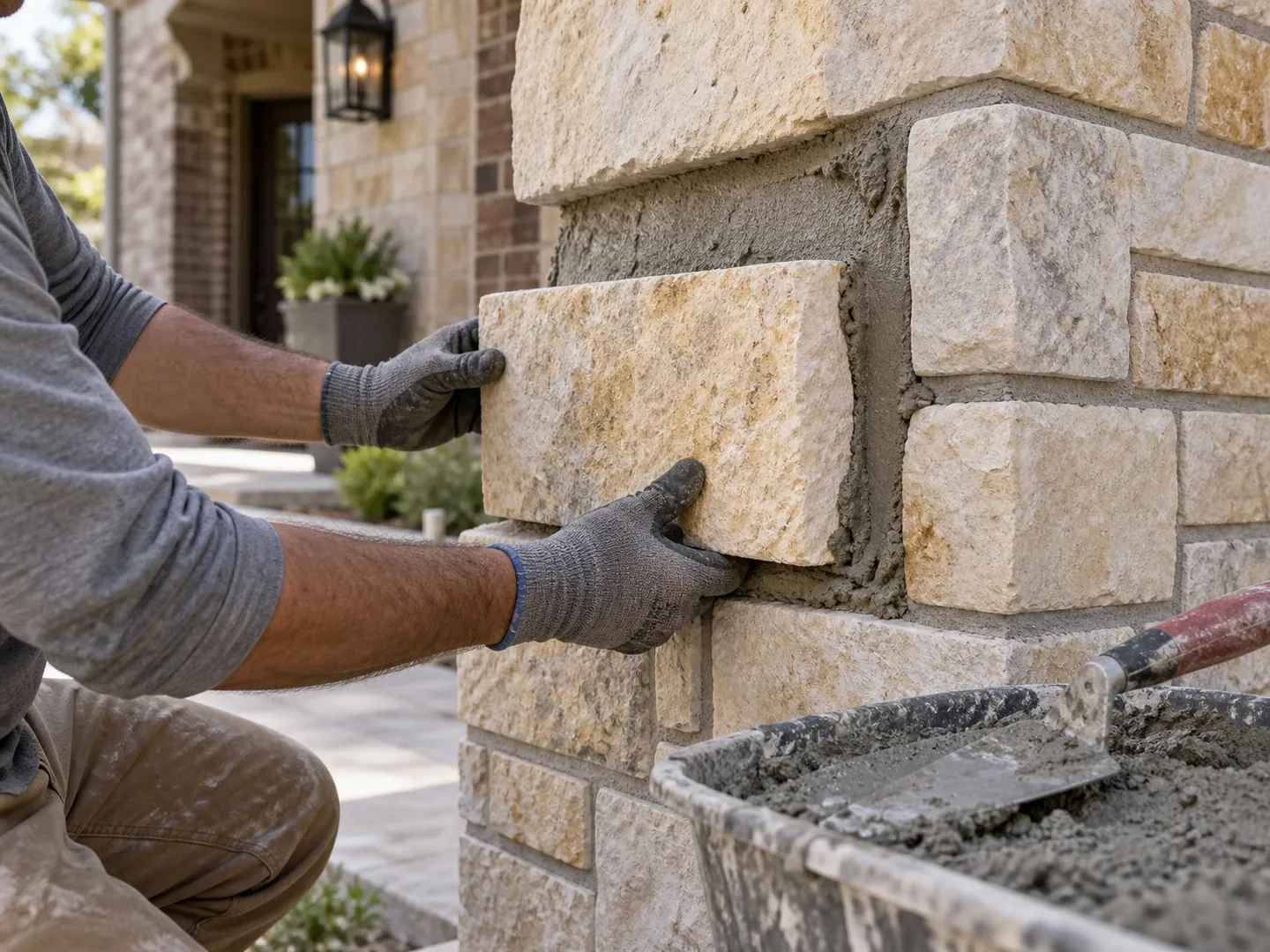
Natural and manufactured stone features built or repaired with careful jointing and material selection.

View service ↗
Brick Mailboxes educational service example
06 / Service

Brick Mailboxes

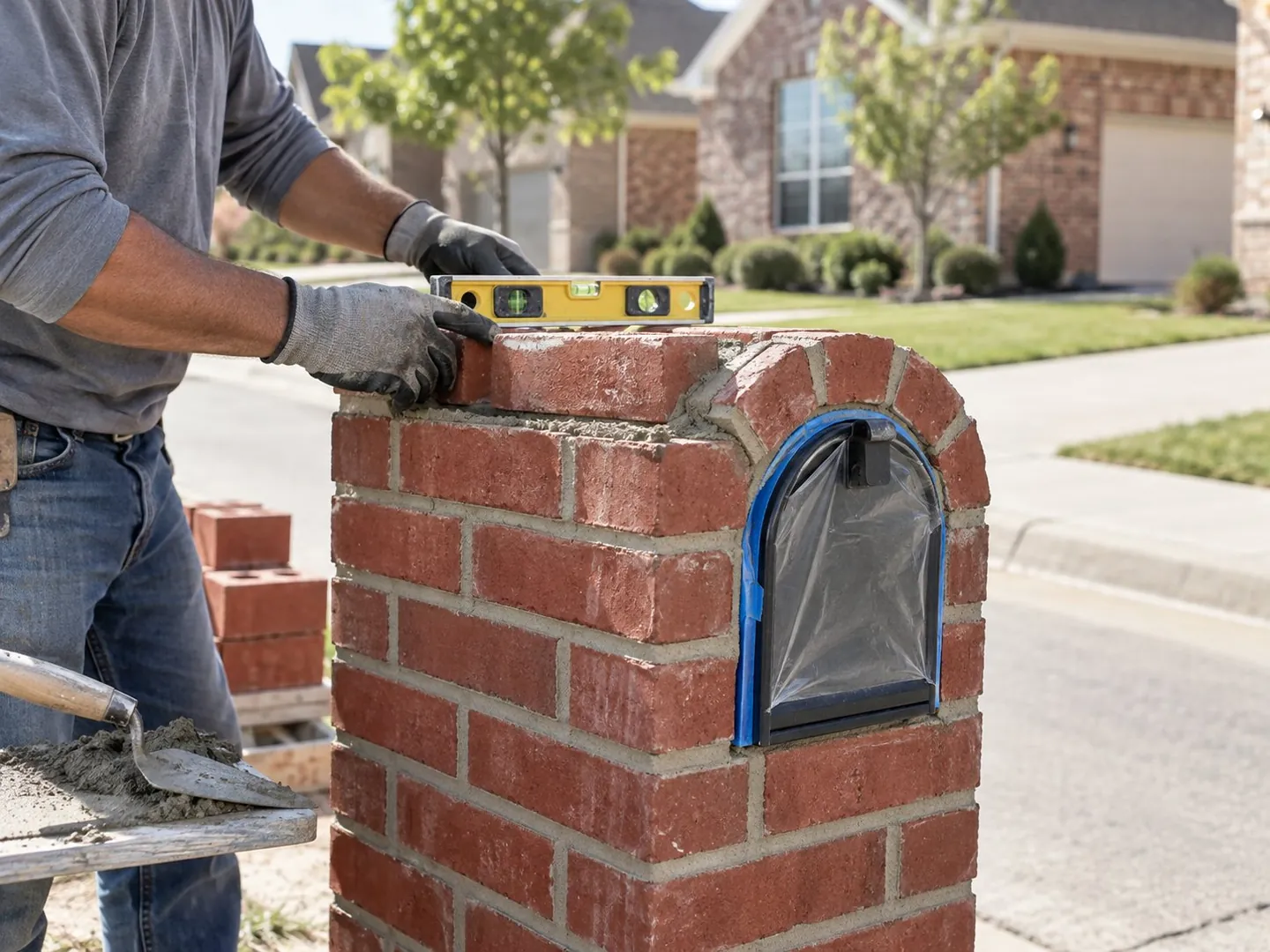
Mailbox construction and repair sized for stability, impact exposure and neighborhood character.

View service ↗
Chimney Masonry educational service example
07 / Service

Chimney Masonry

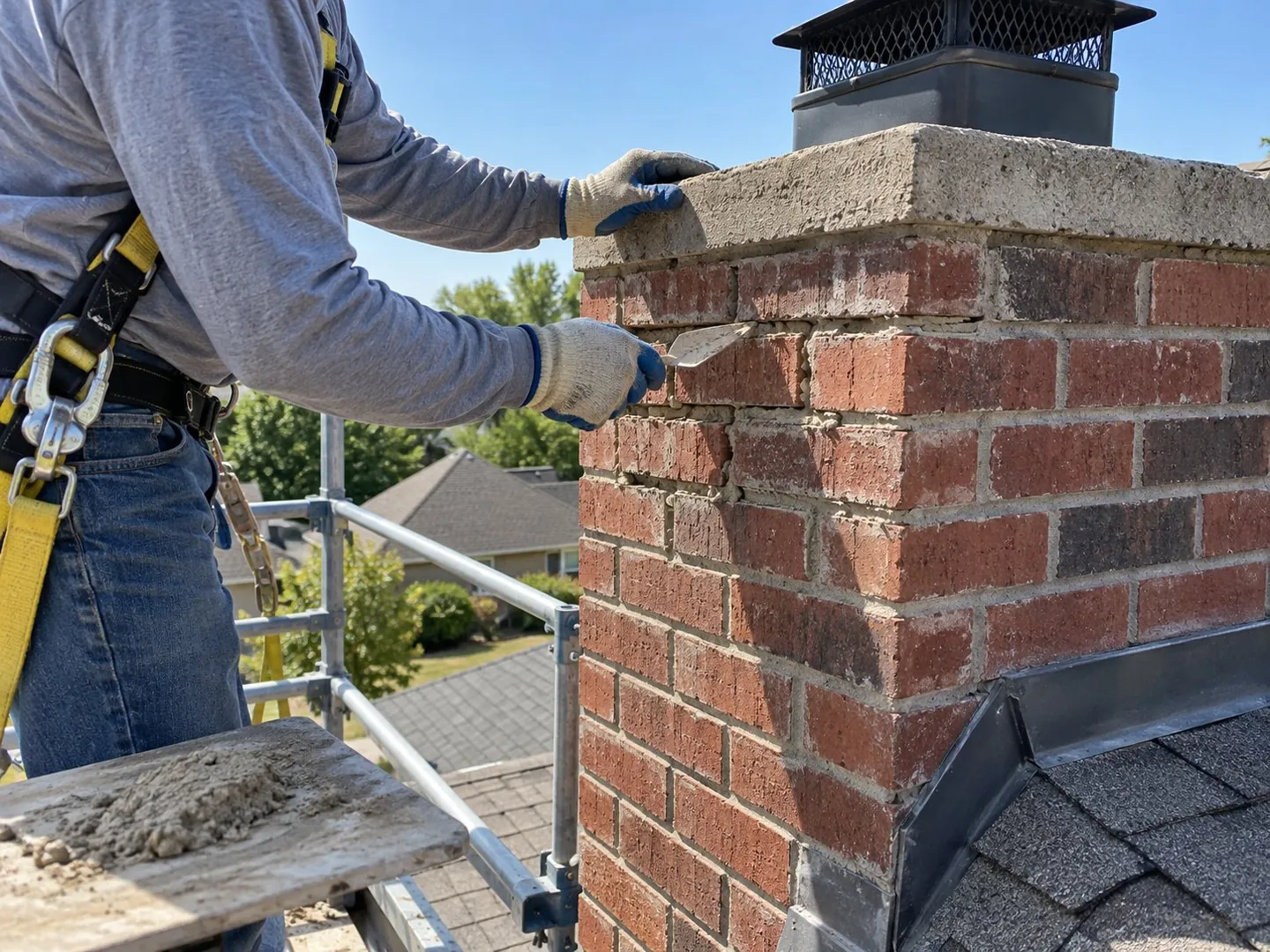
Brick, mortar, crown and flashing-related chimney work evaluated as one exposed assembly.

View service ↗
Fireplaces & Fireboxes educational service example
08 / Service

Fireplaces & Fireboxes

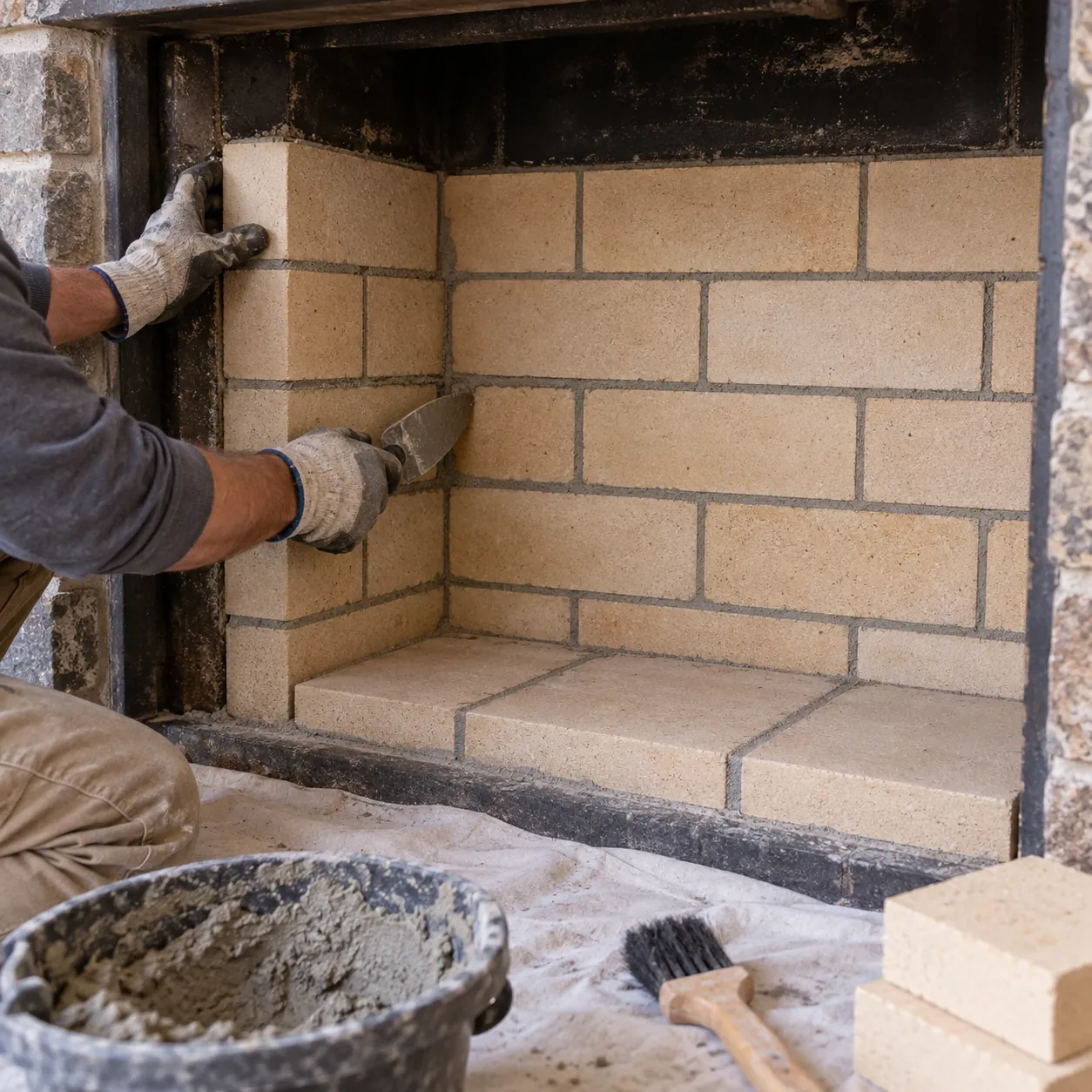
Masonry fireplace and firebox work reviewed for material condition, heat exposure and safe scope.

View service ↗
Brick Steps, Porches & Walkways educational service example
09 / Service

Brick Steps, Porches & Walkways

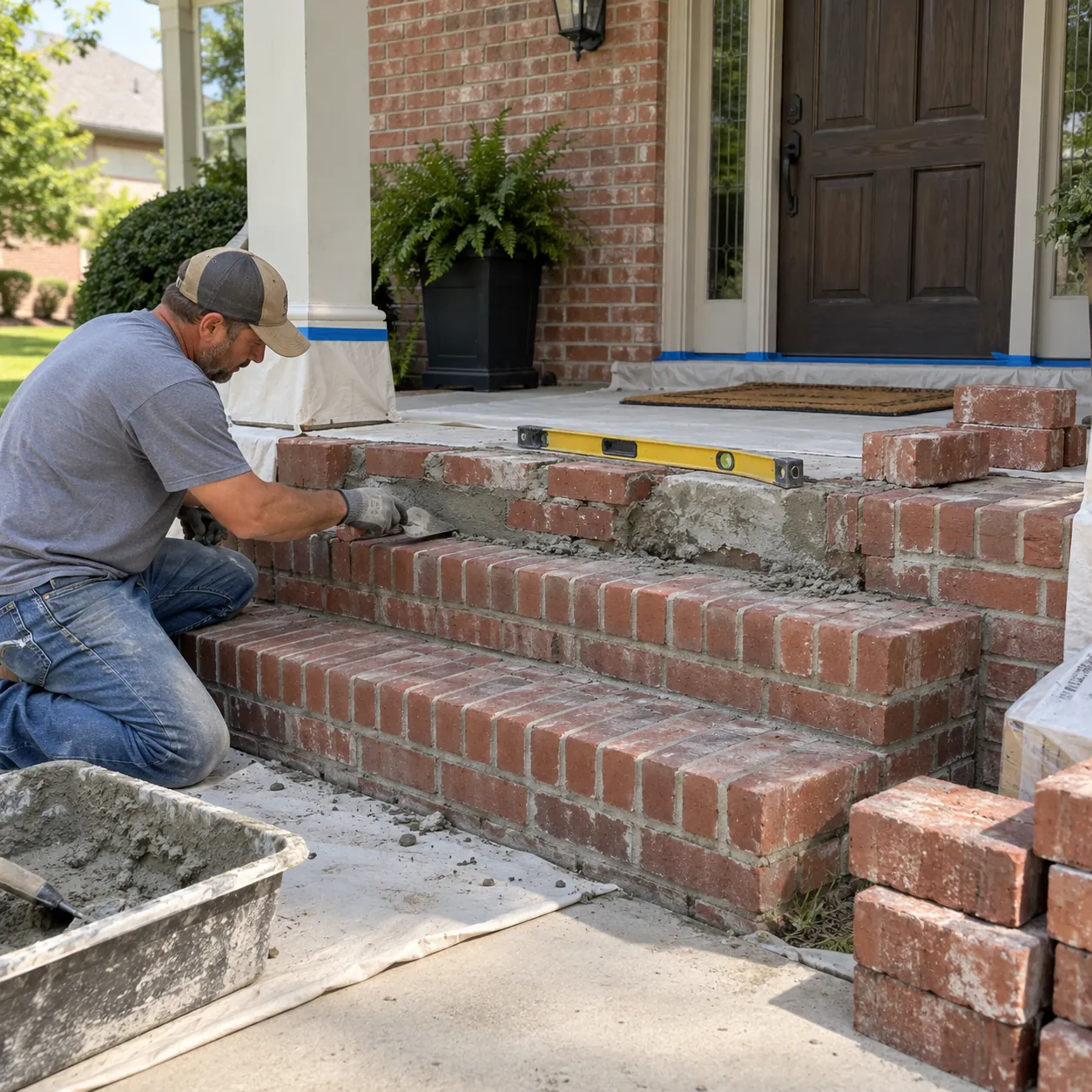
Walkable masonry features built or repaired with attention to support, drainage and edges.

View service ↗
Brick Repair educational service example
10 / Service

Brick Repair

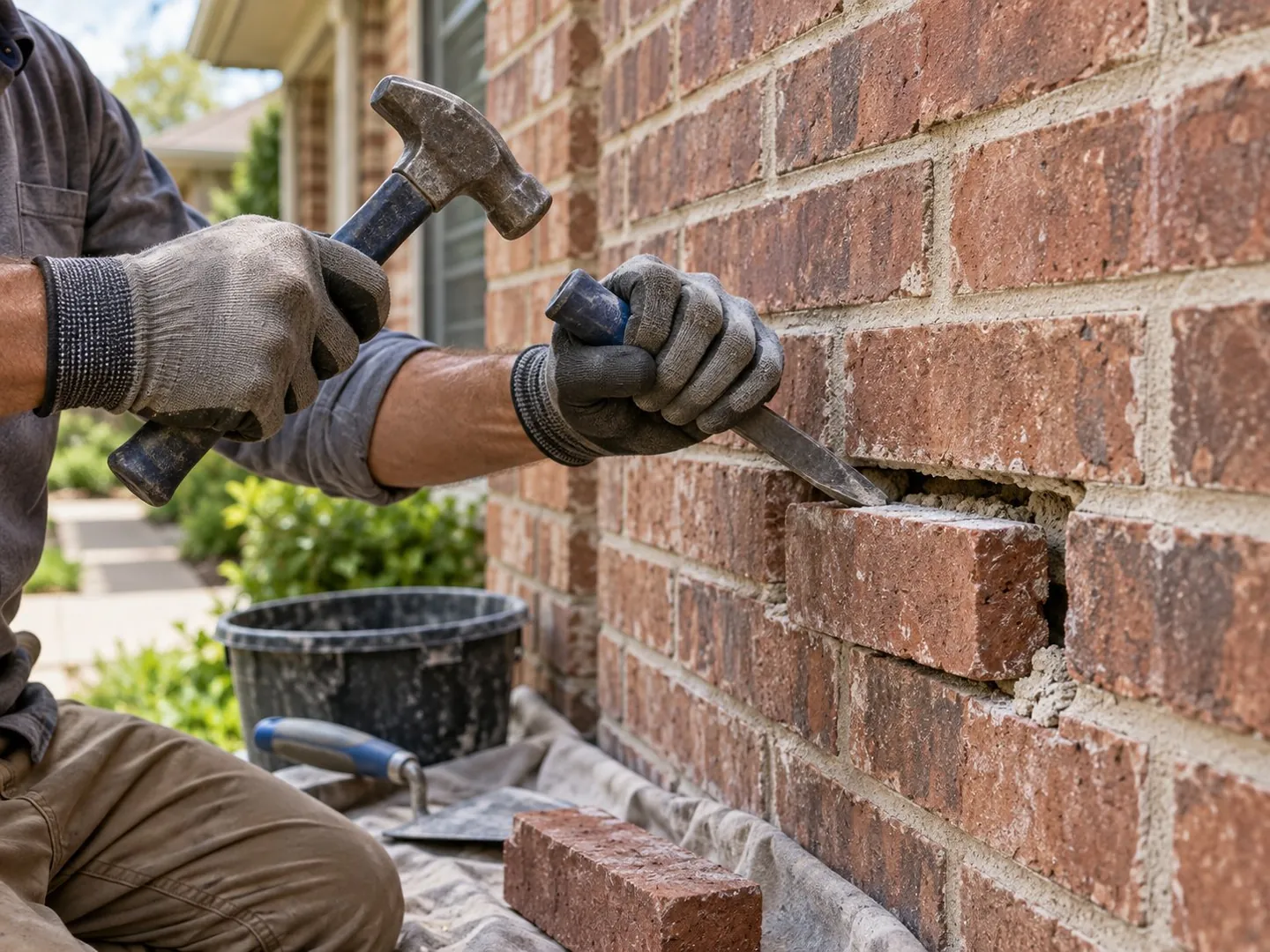
Focused brick removal, matching and rebuilding after the likely cause of damage is considered.

View service ↗
Masonry Repair & Restoration educational service example
11 / Service

Masonry Repair & Restoration

Existing brick and stone assemblies restored with a practical repair boundary and compatible materials.

View service ↗
Mortar Repair & Repointing educational service example
12 / Service

Mortar Repair & Repointing

Deteriorated joints removed to sound material and renewed with a compatible mortar and joint profile.

View service ↗

Local search questions, answered

What a Little Elm owner should verify before choosing a method.

Fast-growing lakeside neighborhoods make drainage paths and movement details especially visible. The six notes below connect local search language with the service and problem pages that explain each decision in detail.

01

Stair-Step Brick Cracks

When someone in Little Elm searches by a symptom, the page should lead from that symptom to a safe investigation path. Confirm whether new work needs drainage, support or movement details instead of copying only the appearance of nearby masonry. A clear exclusion is useful evidence that the masonry contractor understands where another trade begins. It also prevents a narrow cosmetic label from replacing a complete Little Elm scope.

Related Lintel & Arch Repair service ↗
02

Loose or Broken Bricks

Masonry in Little Elm should be read from the ground, openings and roof edges toward the damaged area. Confirm whether new work needs drainage, support or movement details instead of copying only the appearance of nearby masonry. A stable repair boundary should be visible in the scope before demolition changes what can be observed. The owner receives a readable explanation of why the selected service fits this particular feature.

Related Bricklaying & New Masonry Construction service ↗
03

Leaning or Damaged Brick Mailboxes & Walls

On a Little Elm property, brick color is visible immediately, but support and exposure usually need equal attention. Confirm whether new work needs drainage, support or movement details instead of copying only the appearance of nearby masonry. Safety, load path and active water should be resolved before a finish-focused shortcut is allowed to hide the evidence. For Little Elm, the answer stays local while the technical conclusion stays tied to evidence.

Related Stone Masonry service ↗
04

Cracks in Brick Walls

For Little Elm owners, the useful first question is what changed and where the pattern sits in the building. Confirm whether new work needs drainage, support or movement details instead of copying only the appearance of nearby masonry. The best local page gives an owner language for the estimate without pretending to diagnose the building online. This sequence supports faster communication without claiming that speed replaces inspection.

Related Chimney Masonry service ↗
05

Crumbling Mortar Joints

A request from Little Elm should begin with the complete feature rather than the most dramatic close-up. Confirm whether new work needs drainage, support or movement details instead of copying only the appearance of nearby masonry. Regional climate and soil information can shape questions, but neither proves the cause at one parcel. The project can then move from recognition to inspection, scope and scheduling in a clear order.

Related Brick Steps, Porches & Walkways service ↗
06

Bowing or Separating Brick Veneer

A useful local answer for Little Elm connects the search phrase to the actual assembly and desired outcome. Confirm whether new work needs drainage, support or movement details instead of copying only the appearance of nearby masonry. Photos support triage, while ties, corrosion, backing and flashing may still require direct investigation. That approach keeps the Little Elm page useful for both search and a real project conversation.

Related Masonry Repair & Restoration service ↗

How a Little Elm project is reviewed

Five steps from first photos to a usable written scope.

01

Document

Send a whole elevation, a context view and a close detail. Note the address, when the condition appeared and what result you want.

02

Triage

Separate an ordinary project inquiry from unstable masonry, rapid movement, elevated hazards, active leaks or another specialist’s scope.

03

Inspect

Review access, support, openings, drainage, previous repair and matching needs on site when photographs cannot answer them responsibly.

04

Define

Write the repair boundary, preparation, compatible material, appearance range, sequence, exclusions and change conditions.

05

Complete and review

Protect adjacent work, manage curing and cleanup, then review the finished transition, drainage details and maintenance recommendations.

Cost factors in Little Elm

Pricing follows access, quantity, preparation and uncertainty.

The right Little Elm service path depends on whether the feature is veneer, full masonry, a chimney or freestanding work. Confirm whether new work needs drainage, support or movement details instead of copying only the appearance of nearby masonry. The most useful evidence is a whole view, a contextual view and a close detail with scale. Local relevance comes from the address, construction context and official source—not repeated city-name stuffing.

A Little Elm estimate becomes clearer when the owner separates appearance, weather protection, movement and safety. Confirm whether new work needs drainage, support or movement details instead of copying only the appearance of nearby masonry. Pricing becomes comparable when quantities, access, protection, disposal and hidden-condition allowances are listed. This makes the page informative without inventing a branch office or customer history in Little Elm.

What evidence helps

Three photo distances and a short history.

  • Whole wall or complete feature, including roof, grade and openings
  • Condition in context, showing where it begins and ends
  • Close detail with safe scale and accurate color
  • Date first noticed and whether it changed after rain, heat, freeze or impact
  • Earlier repair, coating, sealant or drainage changes in the same area
Open the photo guide ↗

Official local information

Permits and review depend on the address and work.

Masonry repair, new construction, structural changes, historic-property work and work in the public right-of-way can follow different review paths. Verify the current requirement with the authority for the actual property before work begins.

Official Little Elm building and permit information ↗National Weather Service — DFW climate records ↗USDA NRCS — parcel-level Web Soil Survey ↗

Sources reviewed 2026-09-10. Requirements and pages can change.

Common questions

Clear answers before the work begins.

Can I request lintel & arch repair in Little Elm?

Yes. The request can start with photos and the address, subject to scope, access and scheduling. For Little Elm, compare stair-step brick cracks evidence with the fit and limits on the lintel & arch repair page.

What should I document when I notice stair-step brick cracks in Little Elm?

Show the complete feature, the condition in context and a close detail. Note when it appeared and whether it changed. A Little Elm photo set is most useful when it shows how the condition relates to veneer movement, mortar repair and outdoor masonry.

Why are veneer movement, mortar repair and outdoor masonry separate masonry questions for Little Elm owners?

Fast-growing lakeside neighborhoods make drainage paths and movement details especially visible. Each symptom still needs its own evidence path instead of one automatic repair. For Little Elm, veneer movement, mortar repair and outdoor masonry are compared by location, change over time, moisture exposure and relation to openings or grade.

Does the Denton County location prove why masonry moved?

No. County and regional soil or weather information provide context only. The wall type, support, openings, drainage and history at the address must support the conclusion. The Denton County label cannot replace measurements, dated observations and a review of the assembly at the address.

Where do I confirm requirements for brick matching & replacement in Little Elm?

Use the official Little Elm building and permit link on this page, describe the actual address and scope, and confirm the current rule before work begins. The brick matching & replacement scope may change when the Little Elm authority confirms requirements for the actual work.

Which nearby service areas connect with the Little Elm page?

The linked nearby pages are The Colony, Prosper, Lewisville. Coverage is confirmed by address; these links do not claim a separate office in any city. The Little Elm page links outward to The Colony, Prosper, Lewisville without representing a branch office.

Start with the project

Build it well. Repair it for the right reason.

Send a few details and useful photos for an initial review.

Call+1 (817) 660-7732ProjectSend Photos