Brick and masonry problems
Start with the visible symptom, then separate urgency from repair method.
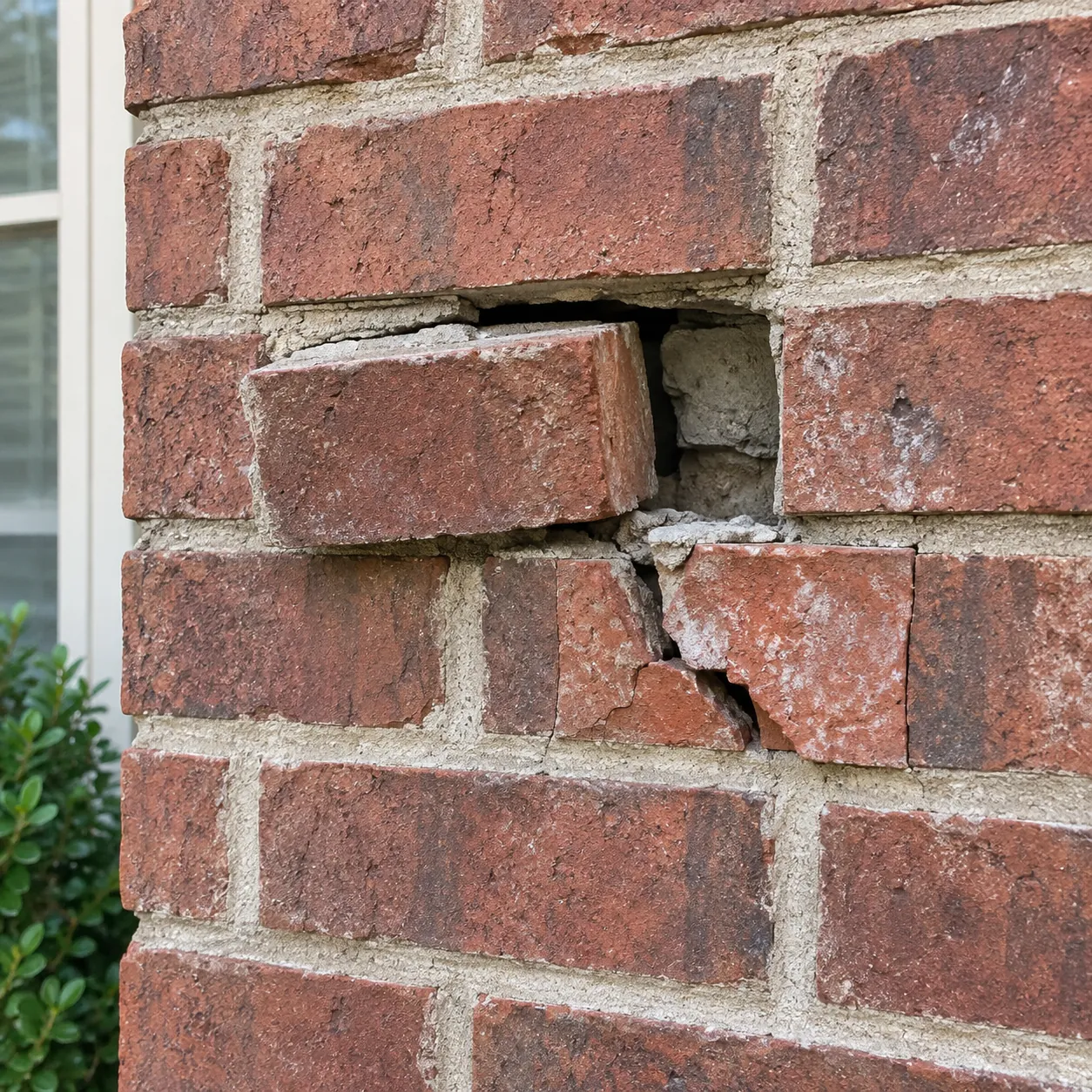
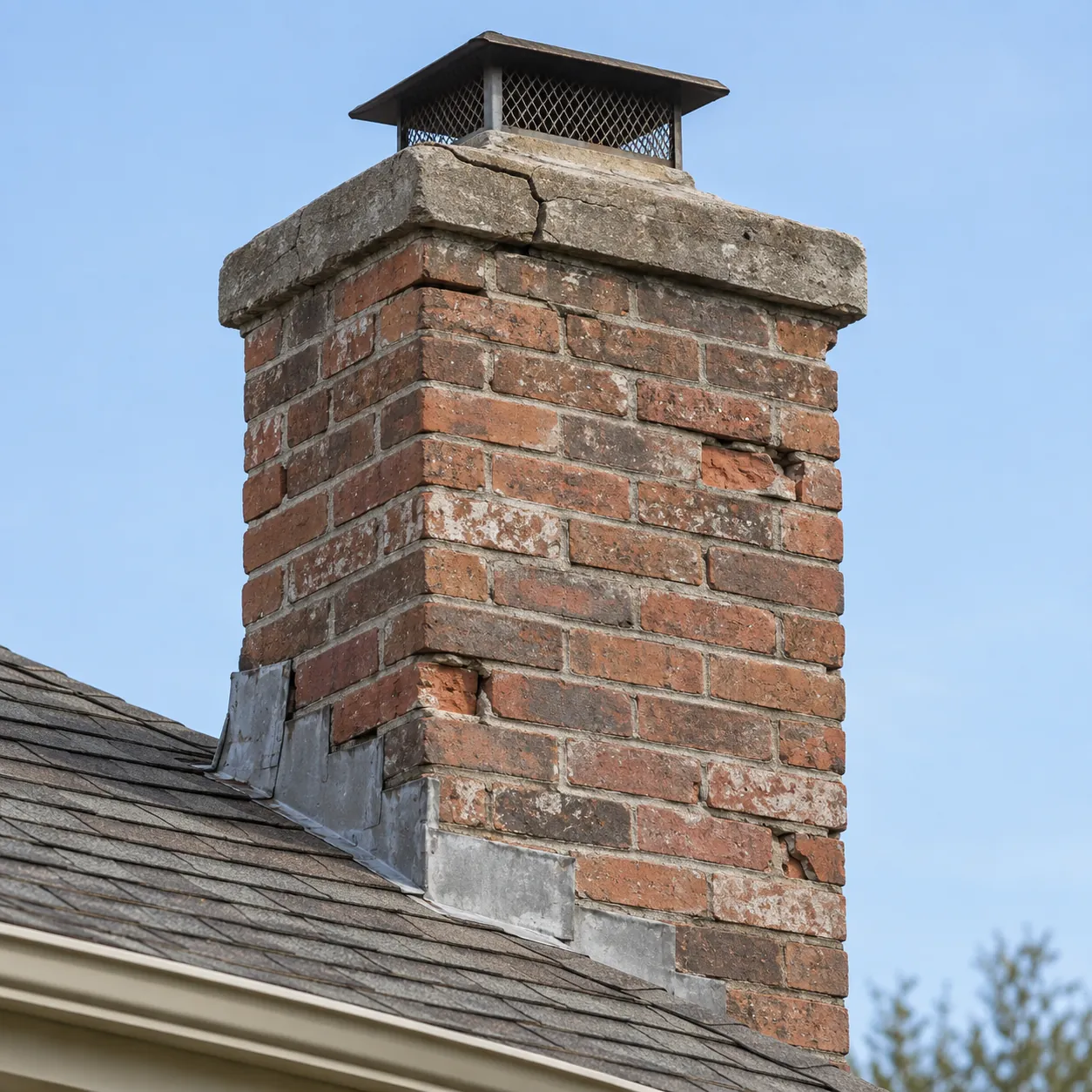
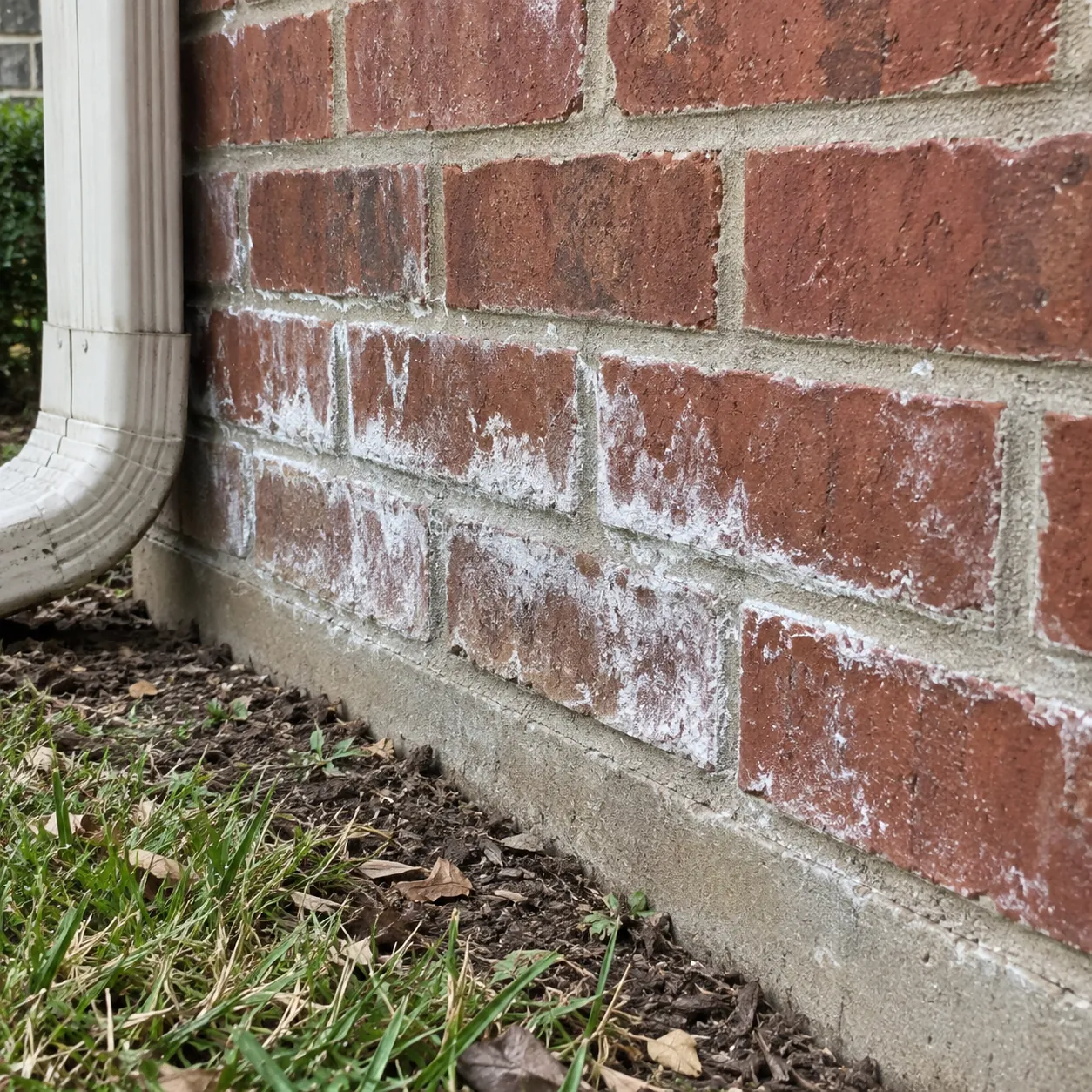
A crack, stain, loose brick or damaged mortar joint is evidence, not a complete diagnosis. Similar patterns can come from weather exposure, impact, water movement, corrosion, support conditions, material incompatibility or building movement. These problem pages help North Texas owners document what they see before a cosmetic patch hides useful information.
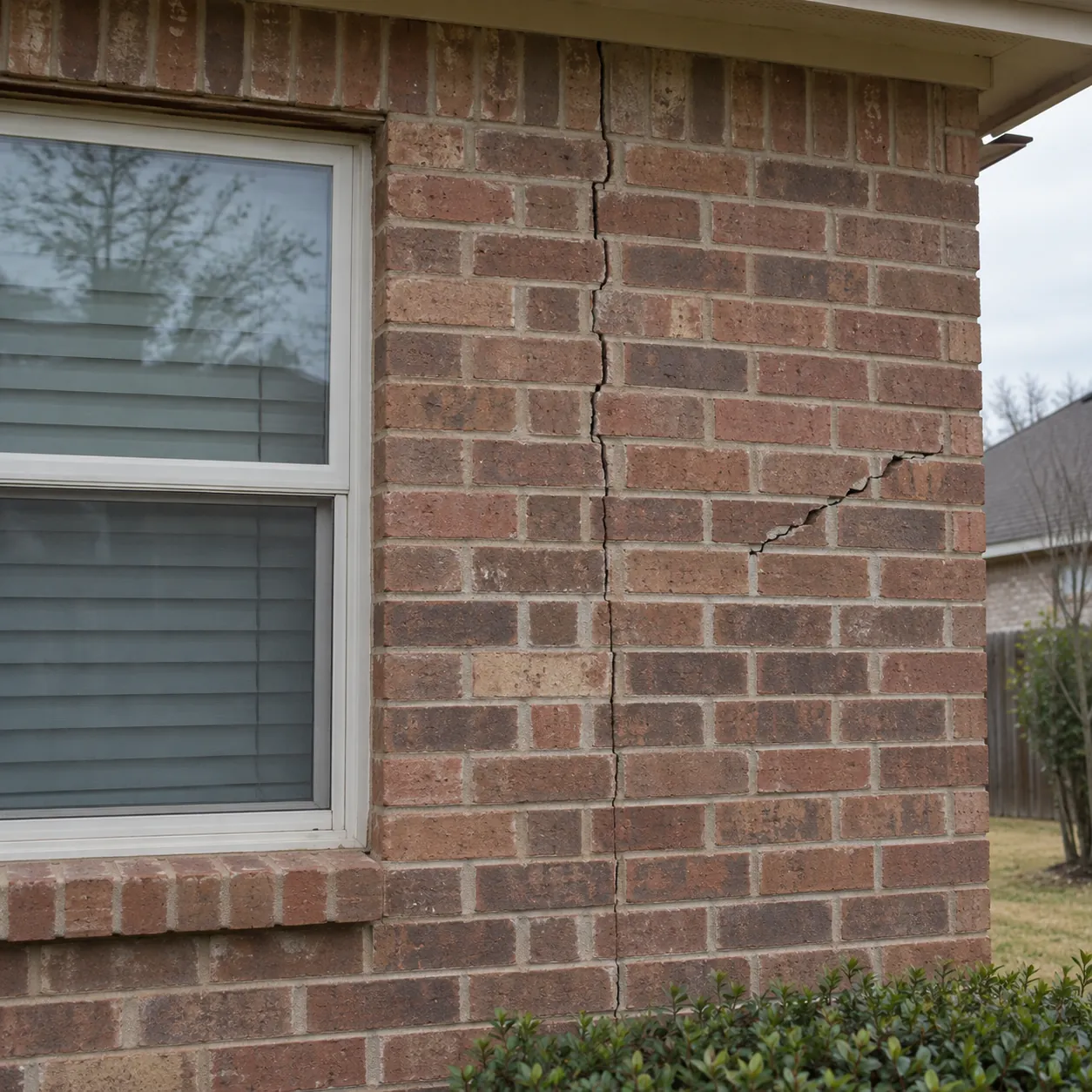
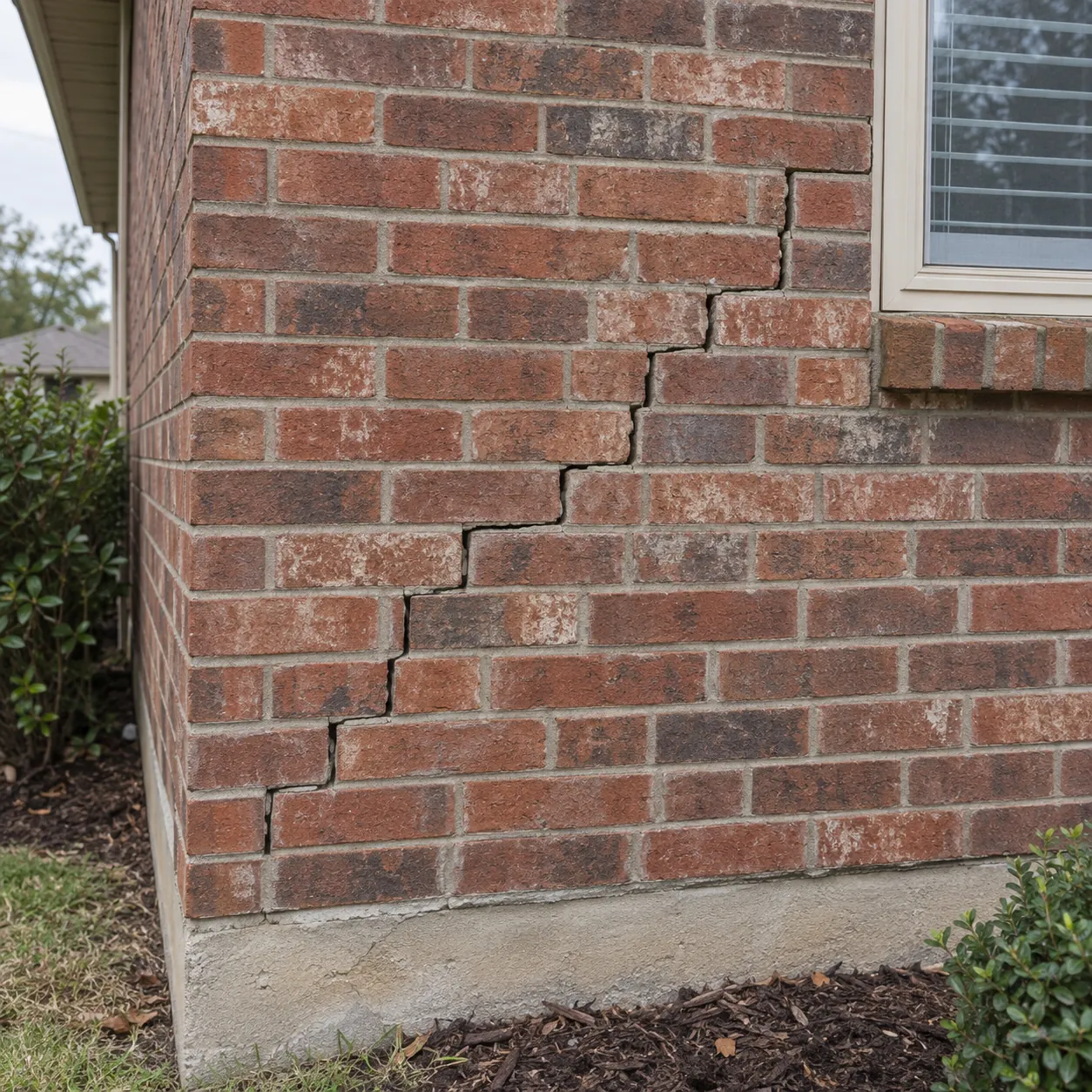
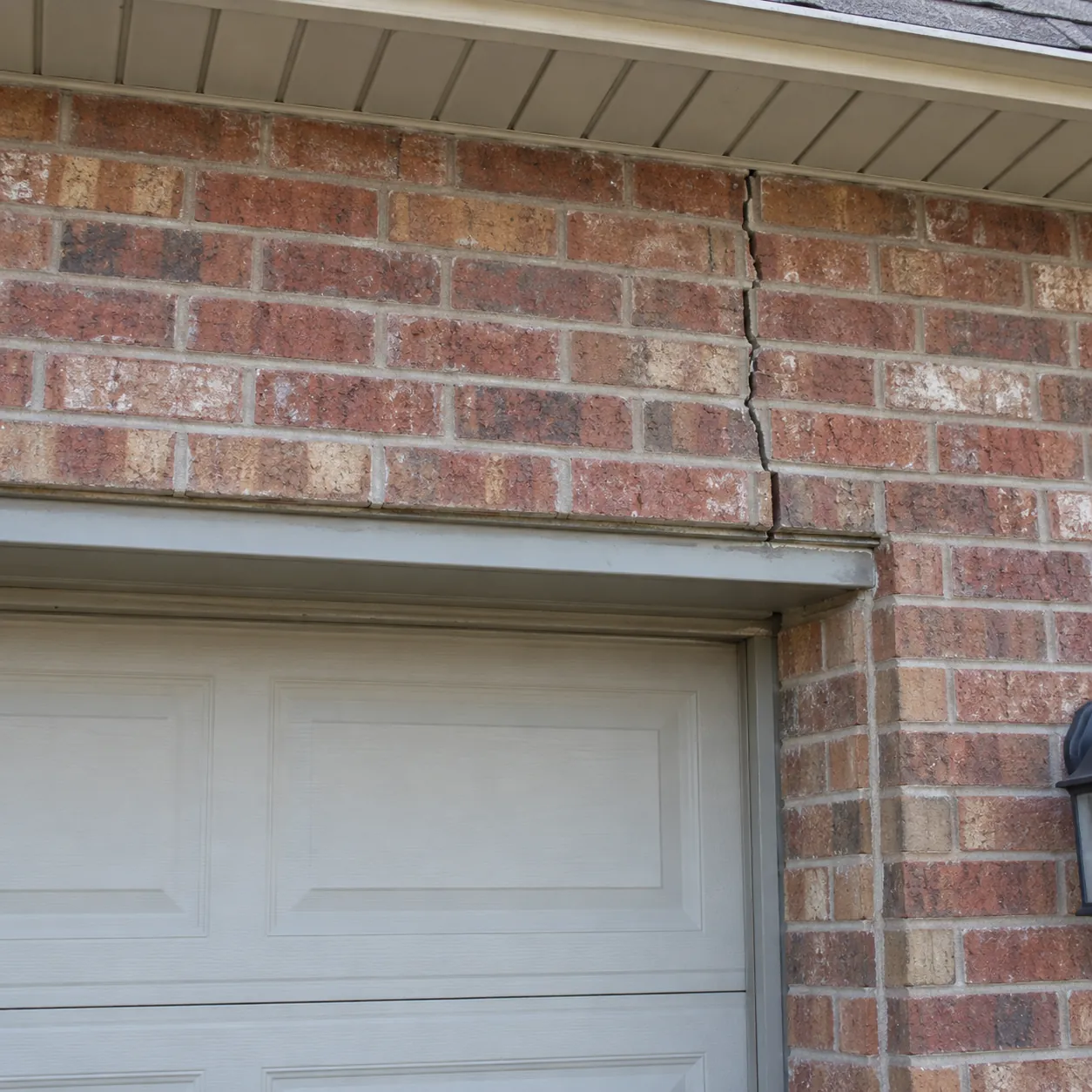
Crack direction and displacement matter
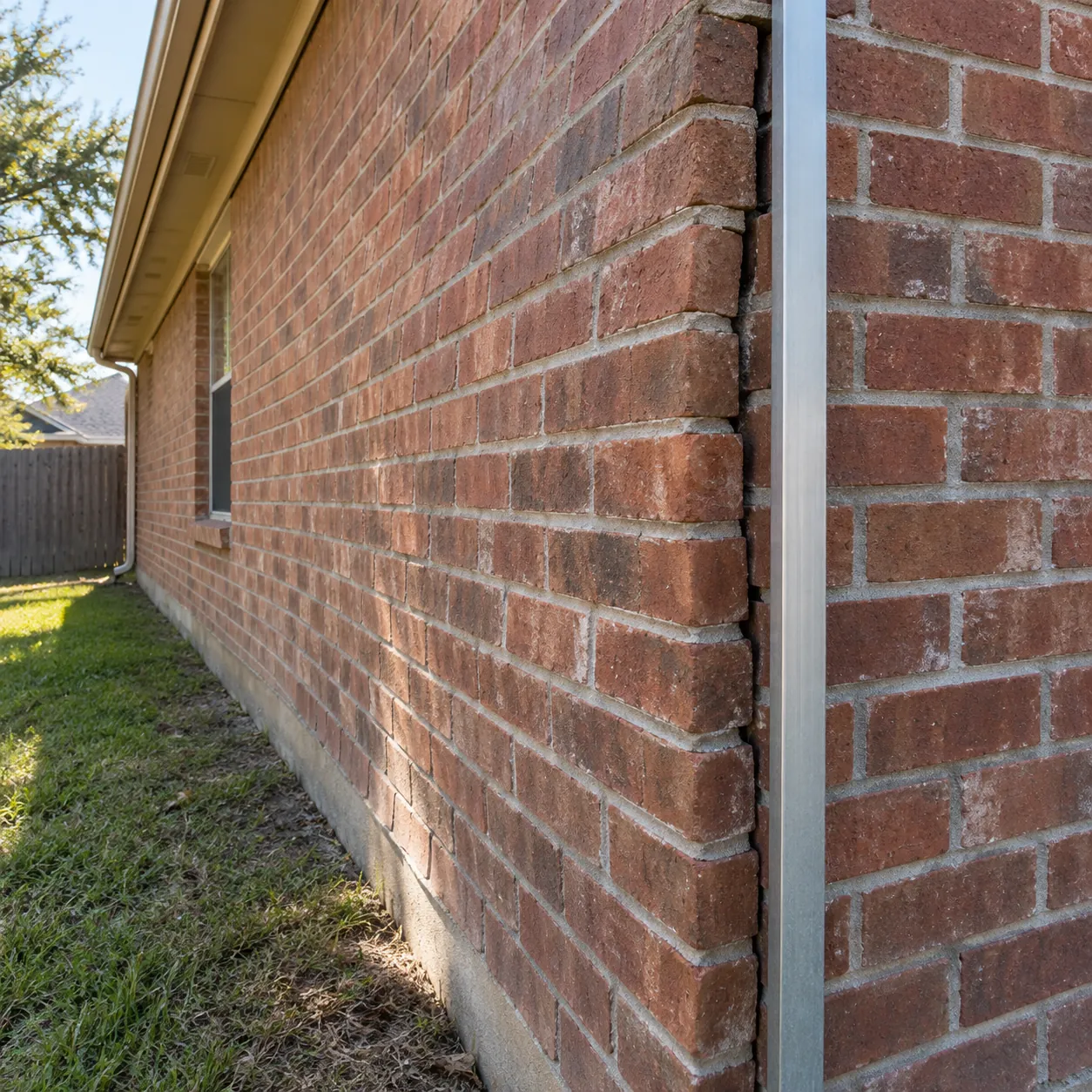
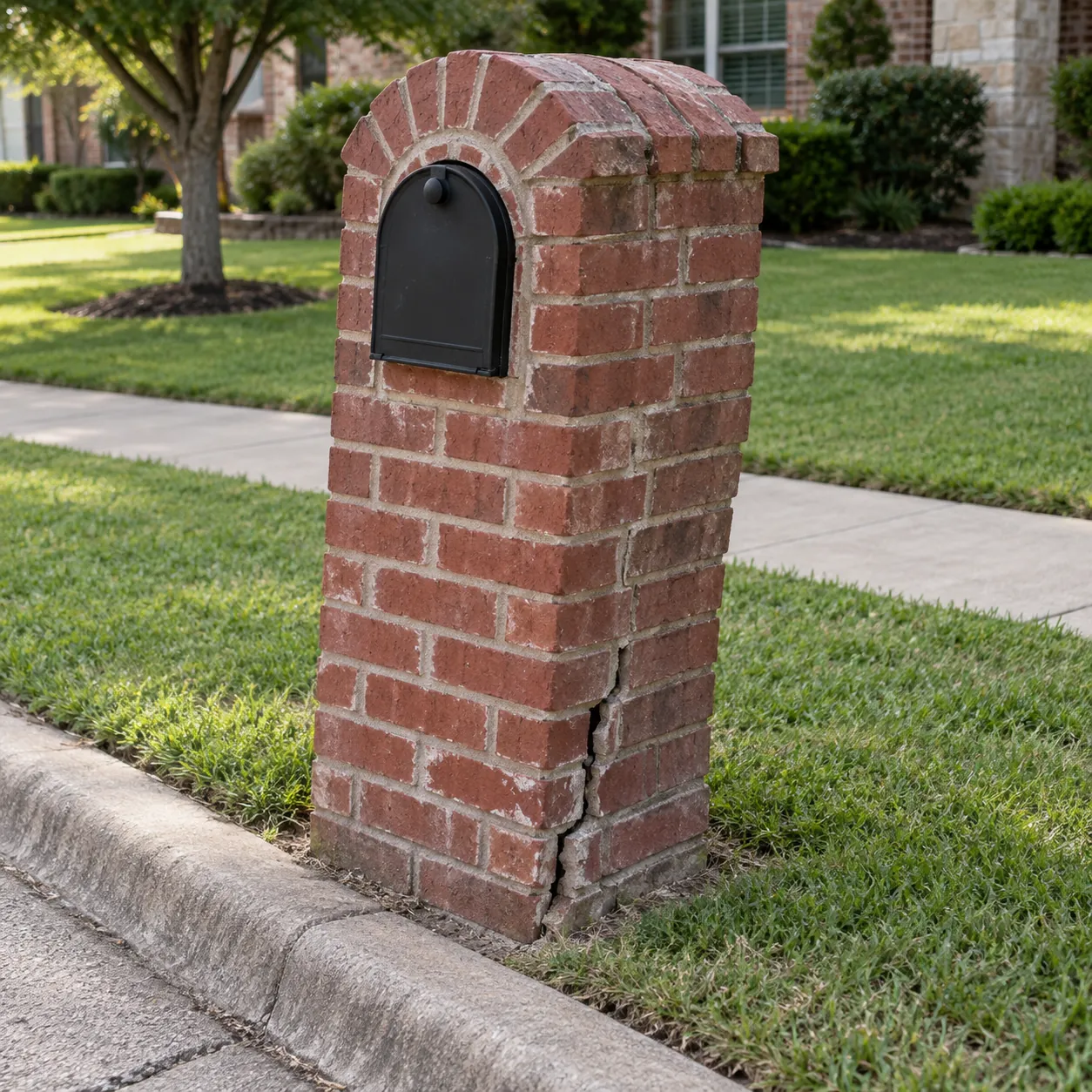
A stair-step crack, a vertical opening crack and a horizontal separation do not ask the same questions. Photograph the complete wall, nearby windows or doors, grade and roof edges. Note whether faces are displaced and whether the pattern has changed after seasons or major weather.
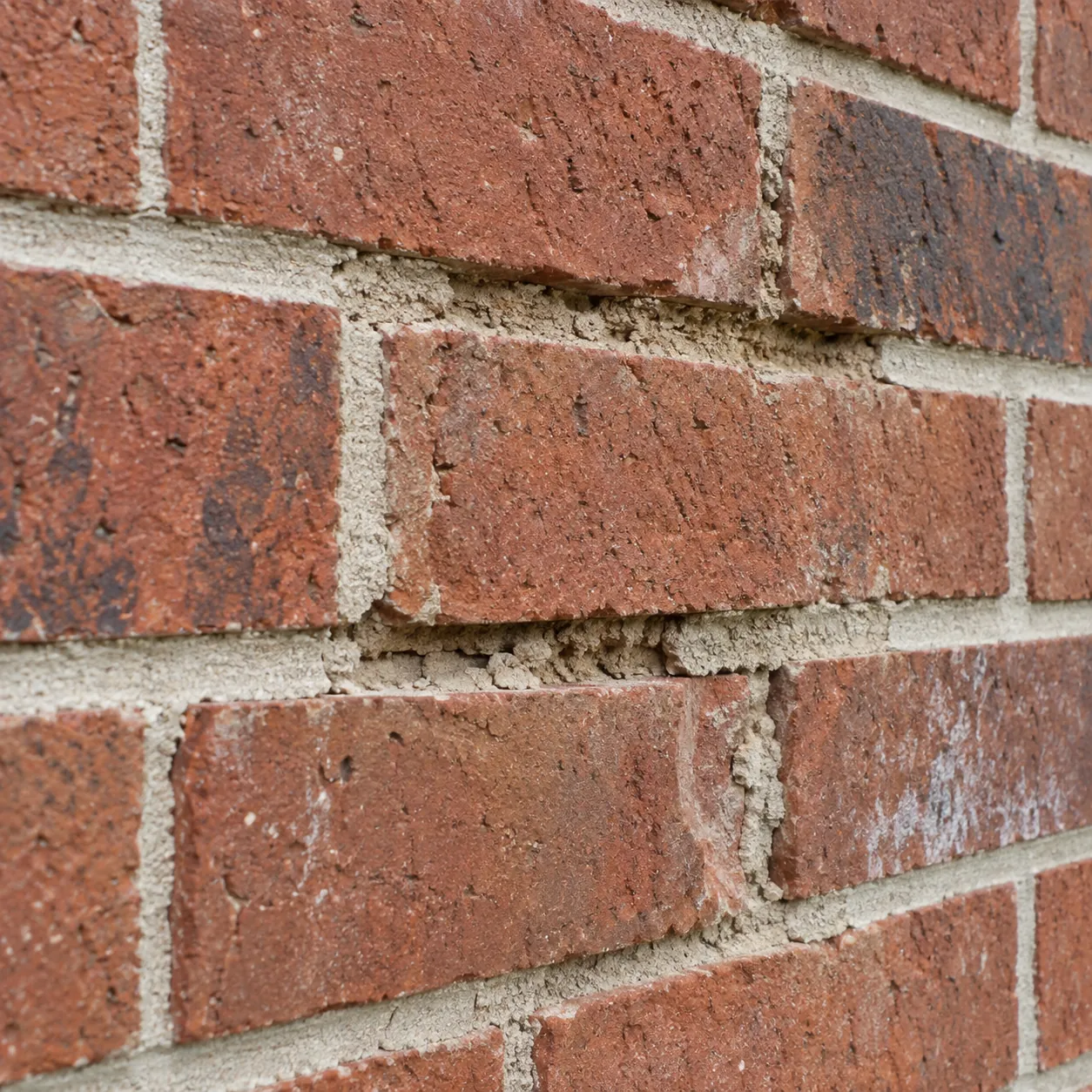
Moisture symptoms need a source and a route
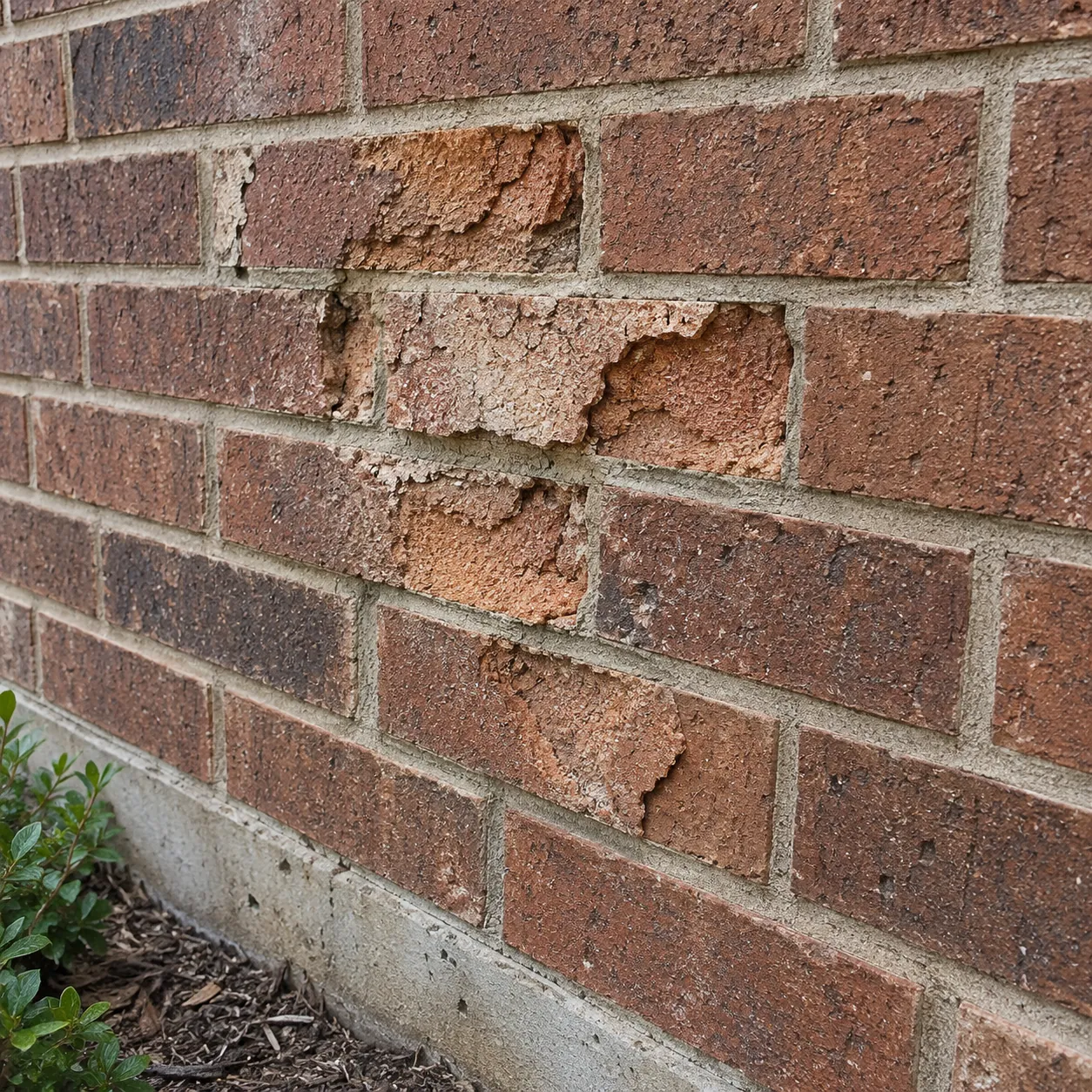
Efflorescence, spalling, dark joints and repeated dampness show that water has moved through or across the masonry. The repair decision may involve caps, flashing, weeps, sprinklers, roof intersections or sealant interfaces as well as brick and mortar.
Loose, bulging or falling masonry changes priority
Keep people away from unstable areas. Rapid change, significant displacement, chimney instability or masonry above an entrance may require immediate site review and, when the load path is uncertain, a qualified structural professional before cosmetic work begins.
Document before filling or covering
A quick smear of mortar or sealant can make a pattern harder to read without stopping the cause. Clear dated photos and a written description create a better baseline for deciding whether the next step is monitoring, masonry repair, moisture correction or engineering review.