Masonry guides and explanations
Use visual guides to ask better questions before choosing a repair.
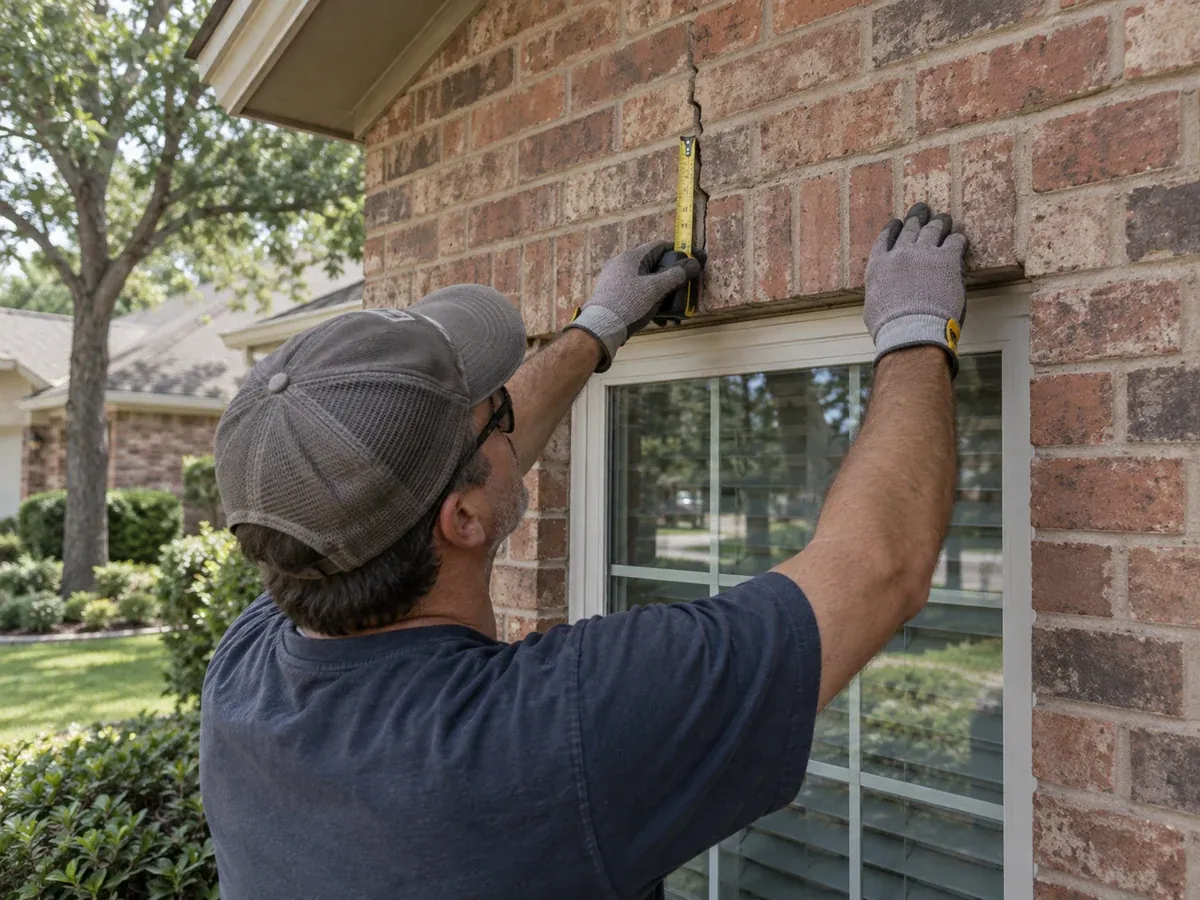
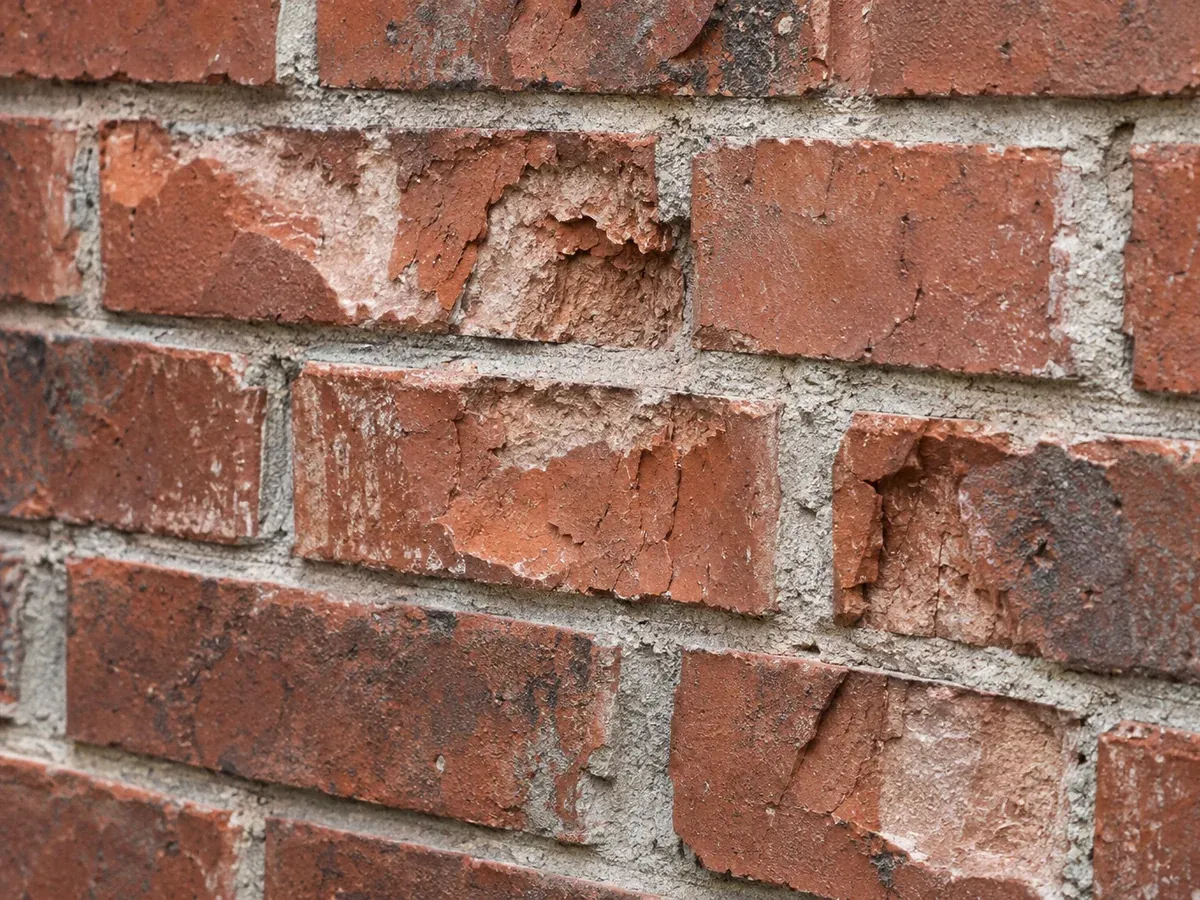
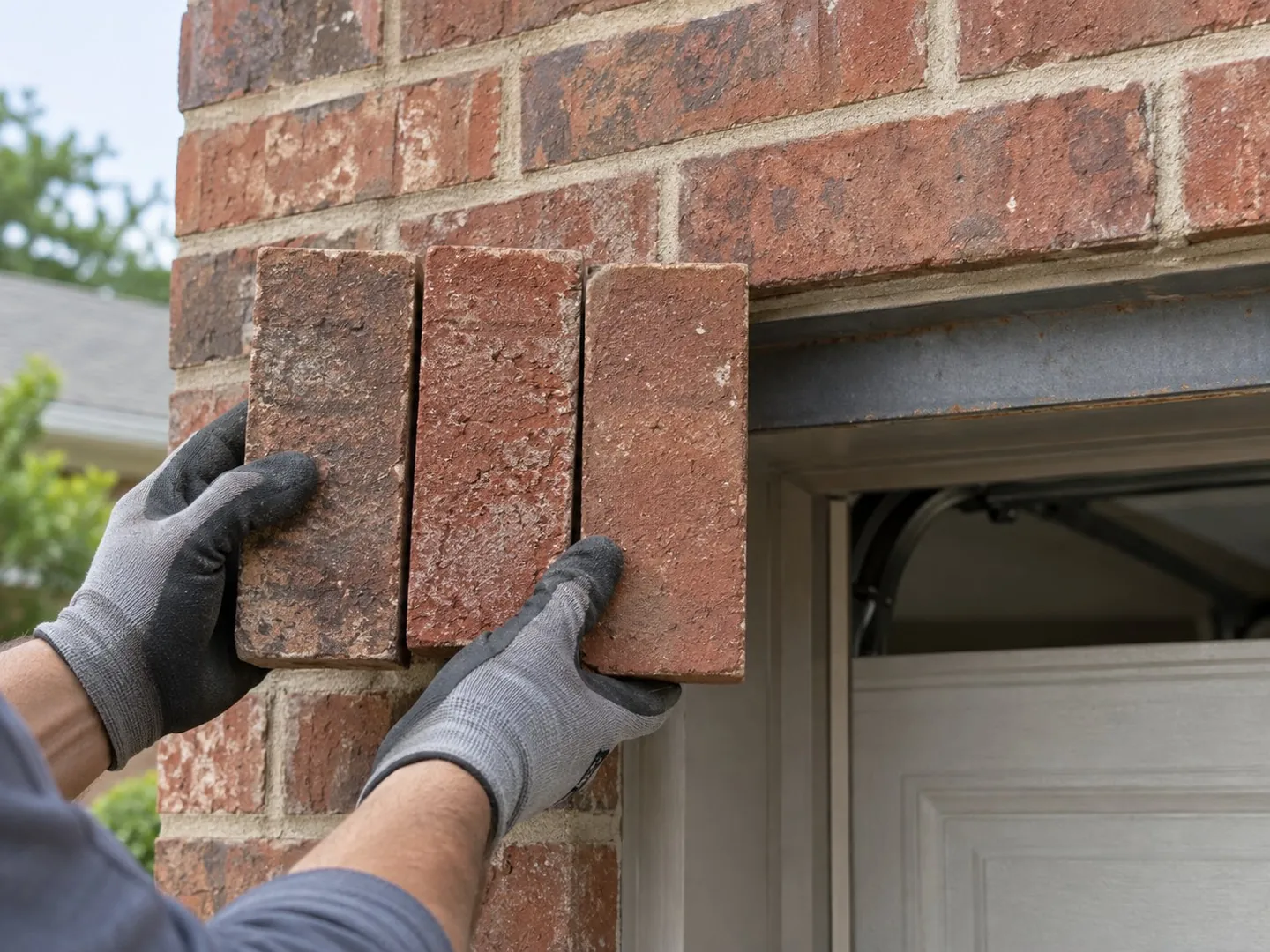
The resource library explains brick veneer layers, mortar-joint terminology, crack patterns, matching, moisture and repair boundaries in plain language. Each guide connects a realistic visual example with the questions that belong in an estimate or written scope.
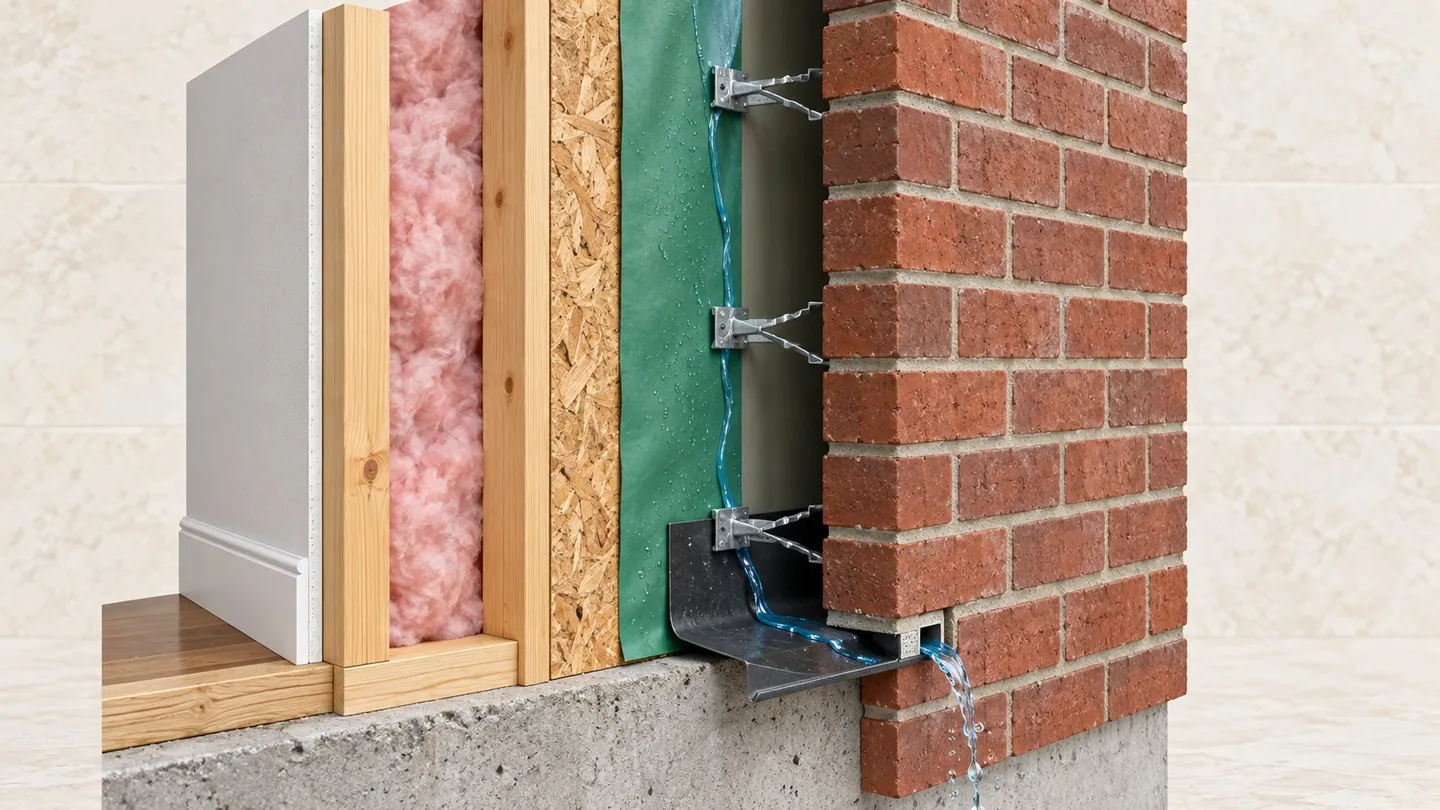
Read the whole assembly, not only the face brick
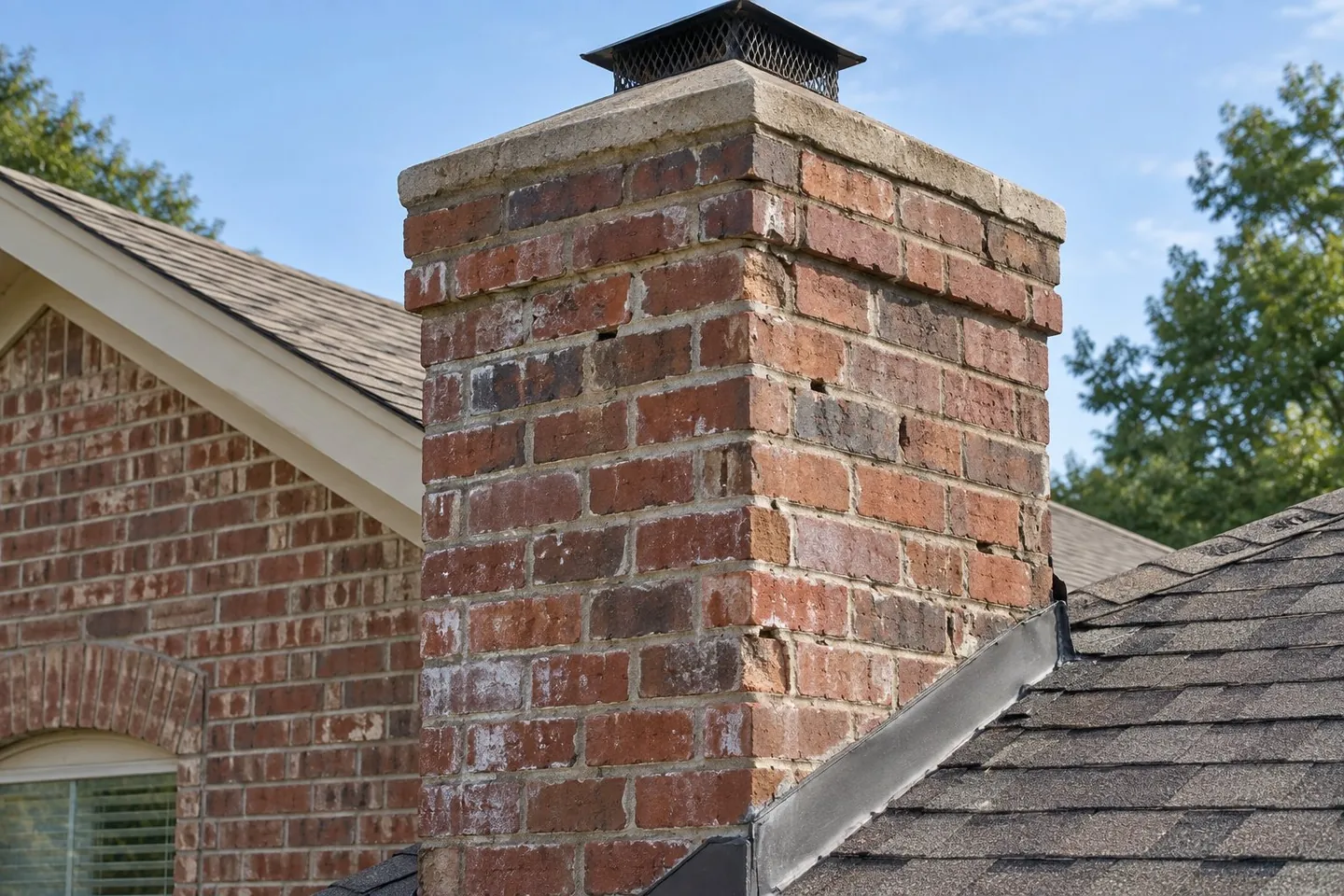
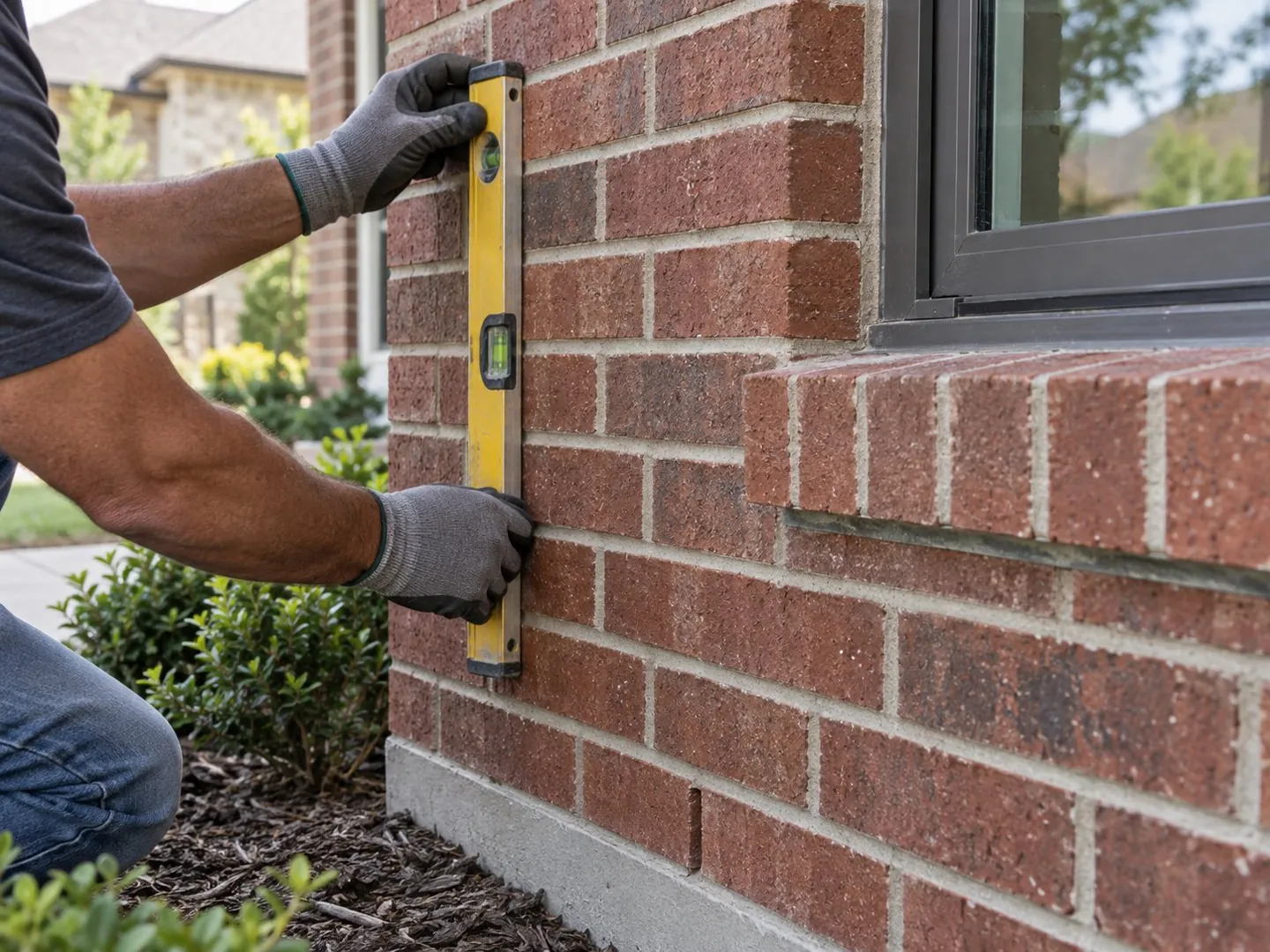
Brick veneer works with the supporting wall, water-resistive barrier, air space, ties, flashing, weeps and support at openings. Damage at the visible face can be influenced by a concealed detail, which is why the wall-anatomy guide labels each layer and explains its job.
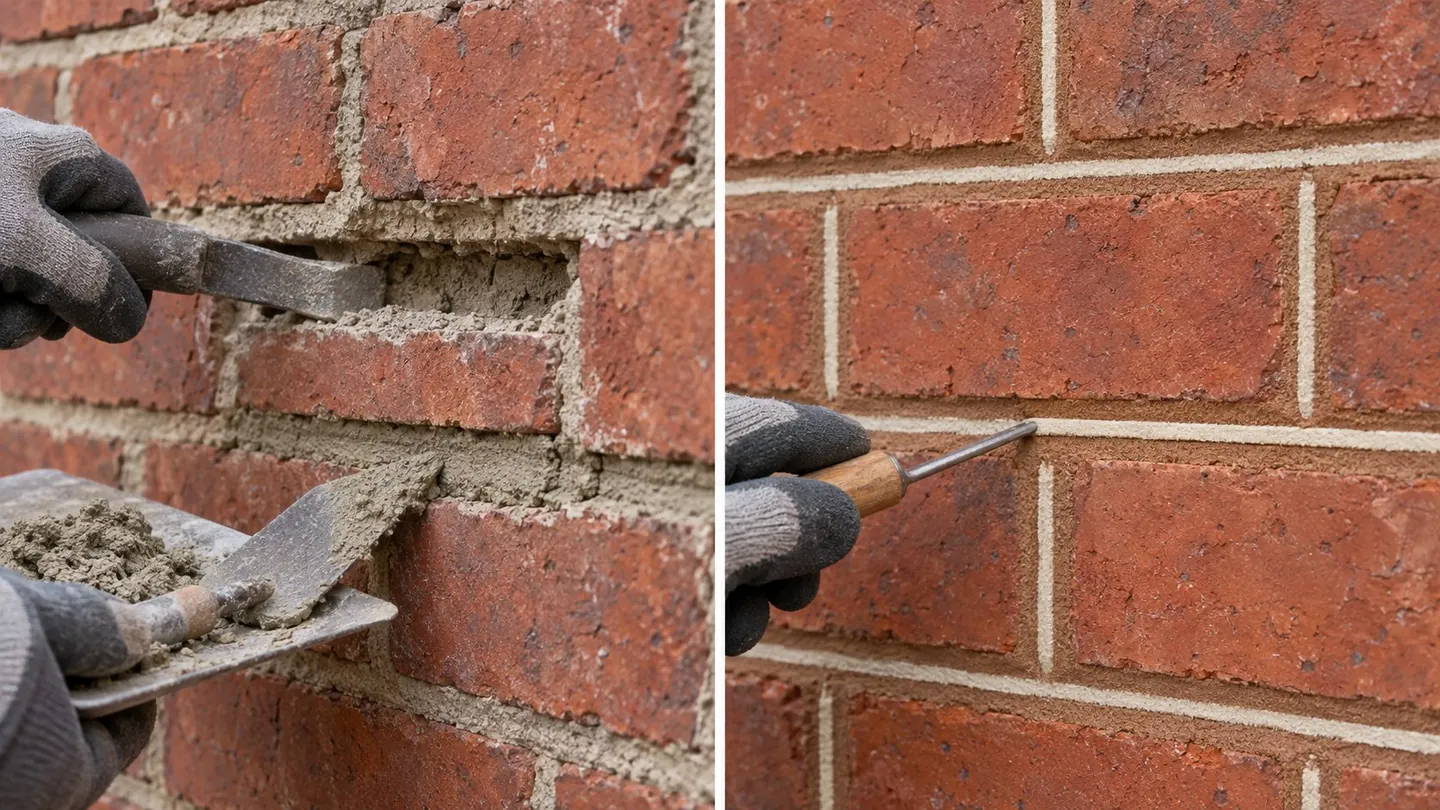
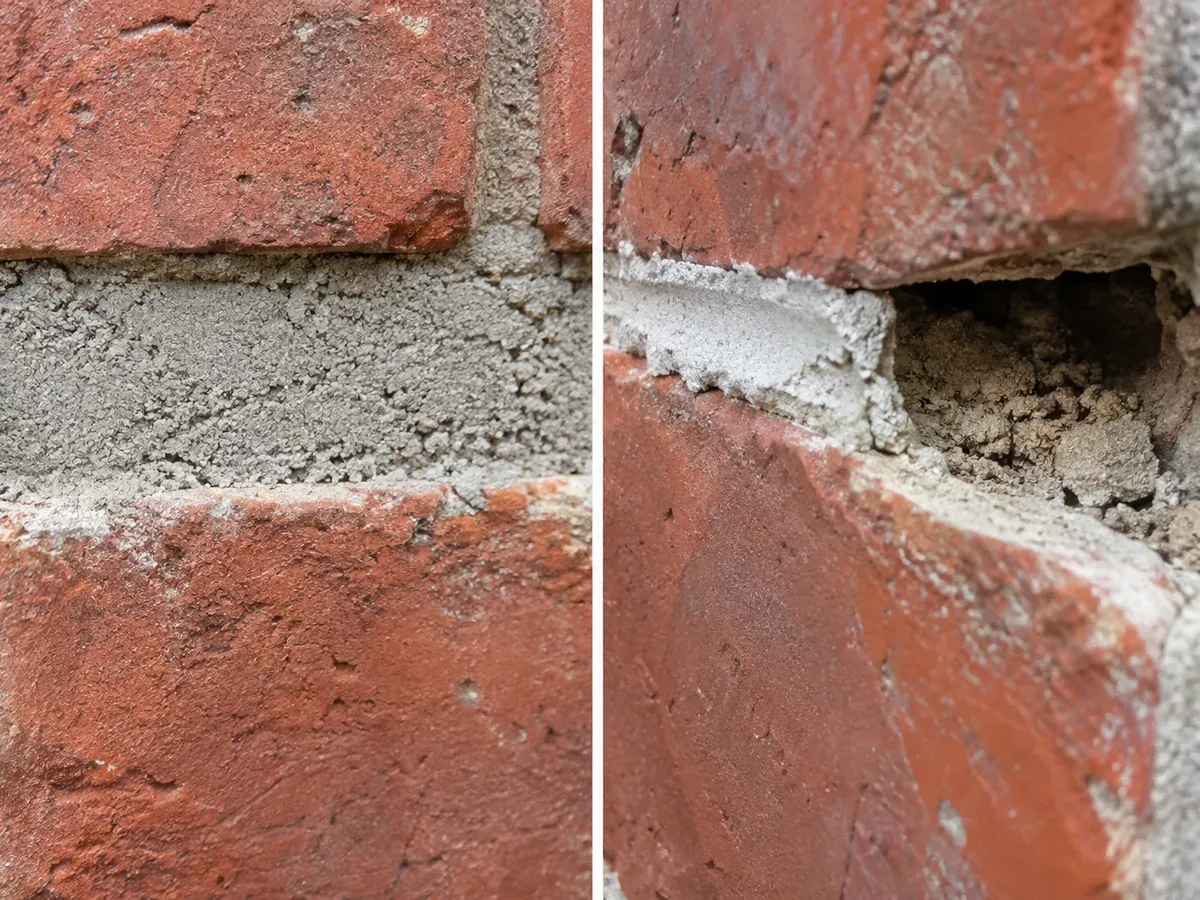
Compare correct work with incomplete shortcuts
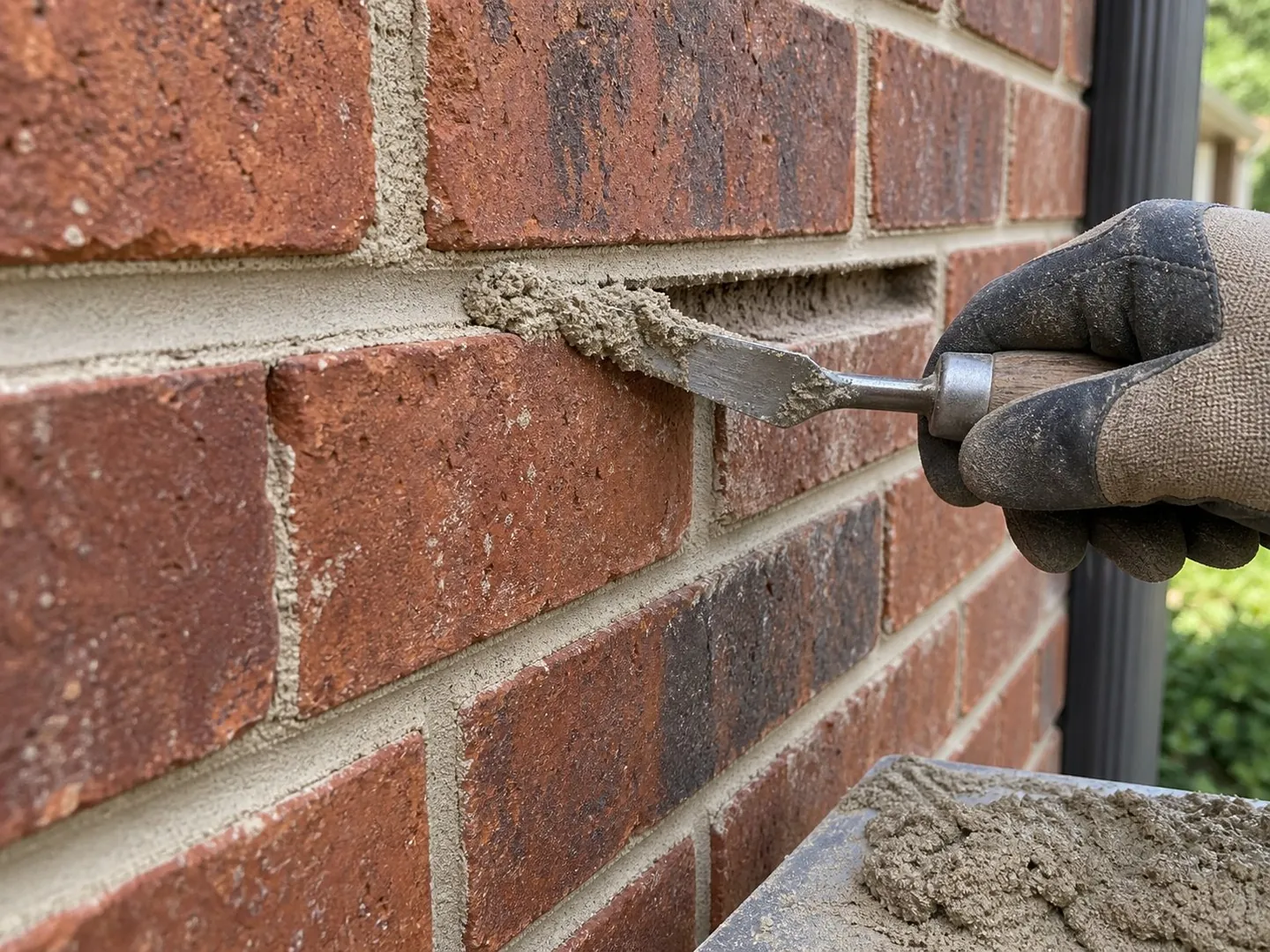
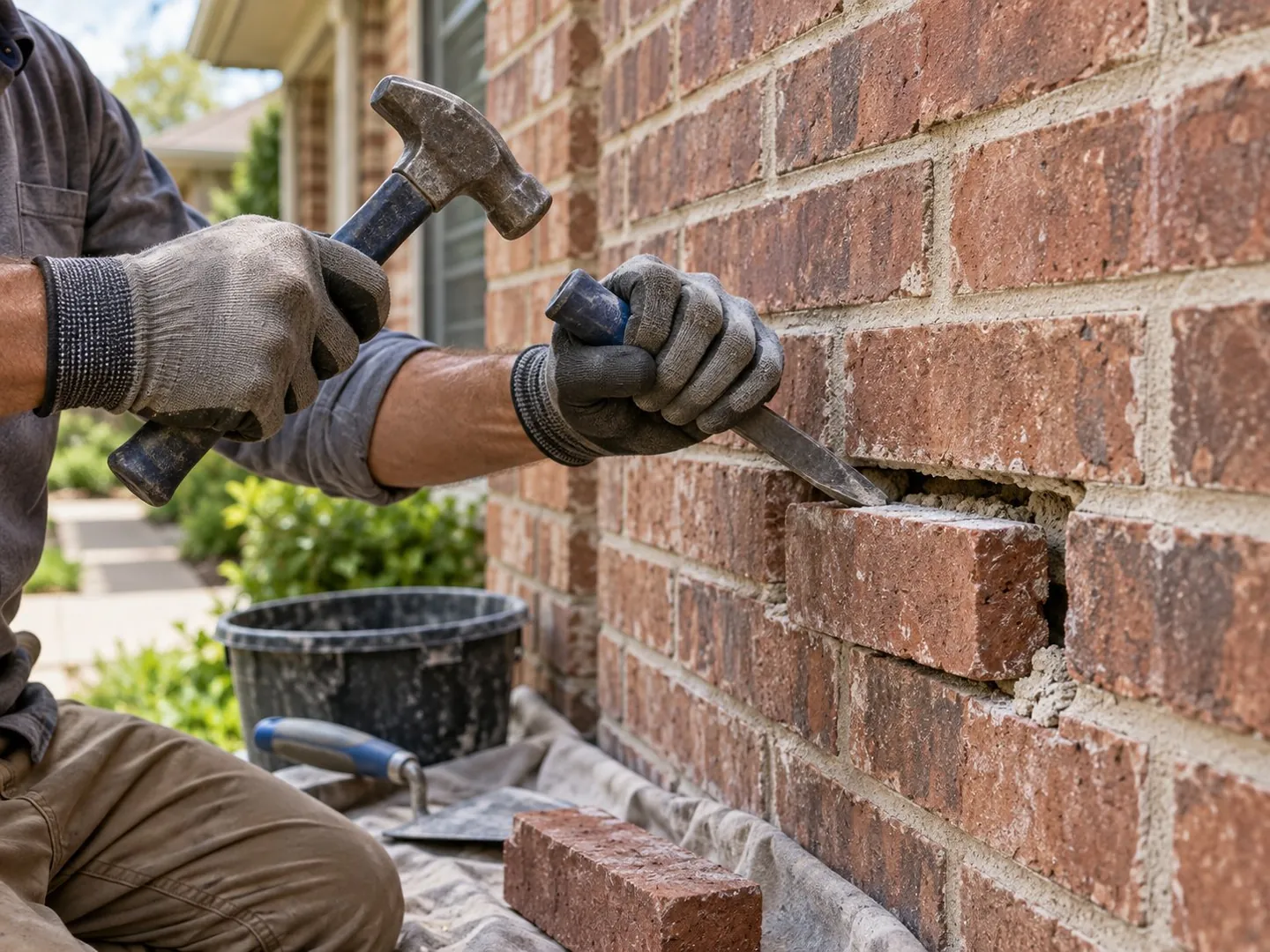
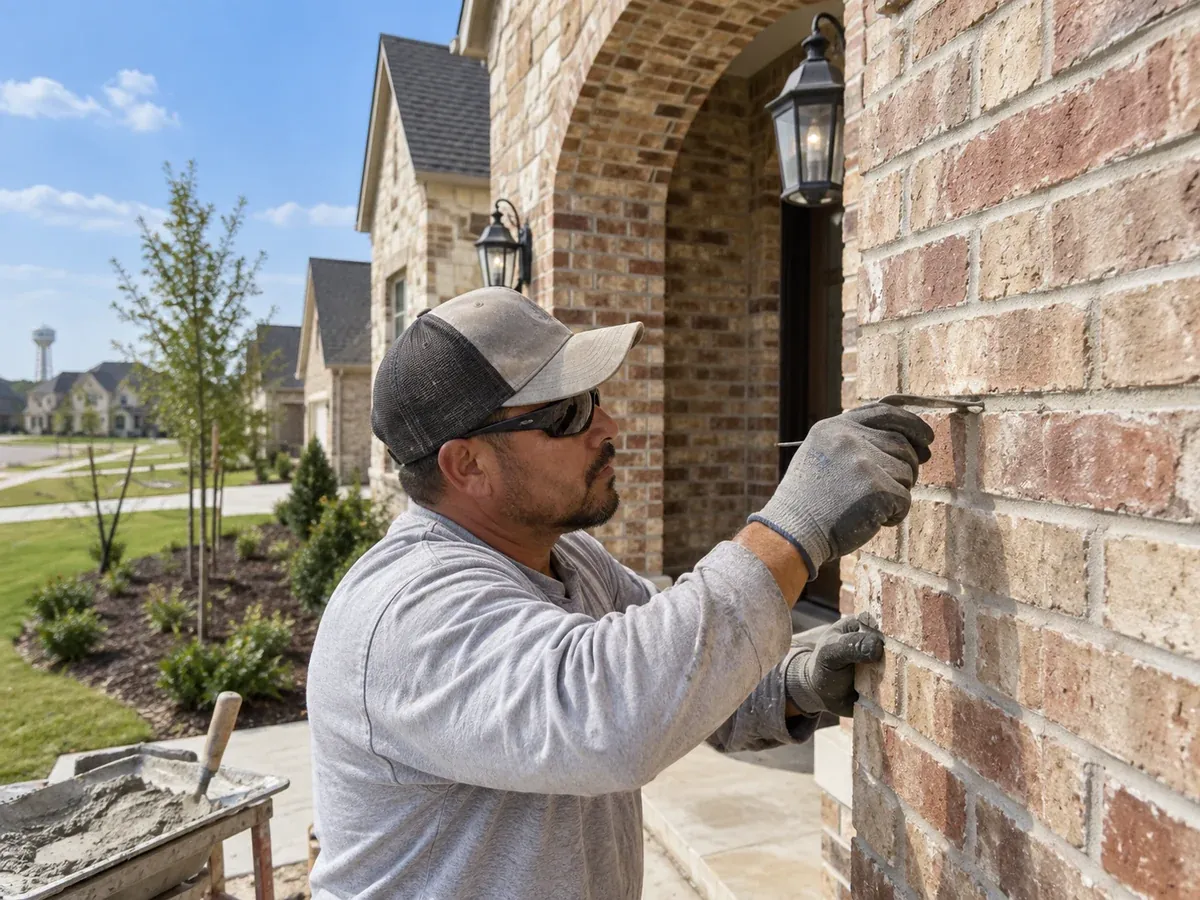
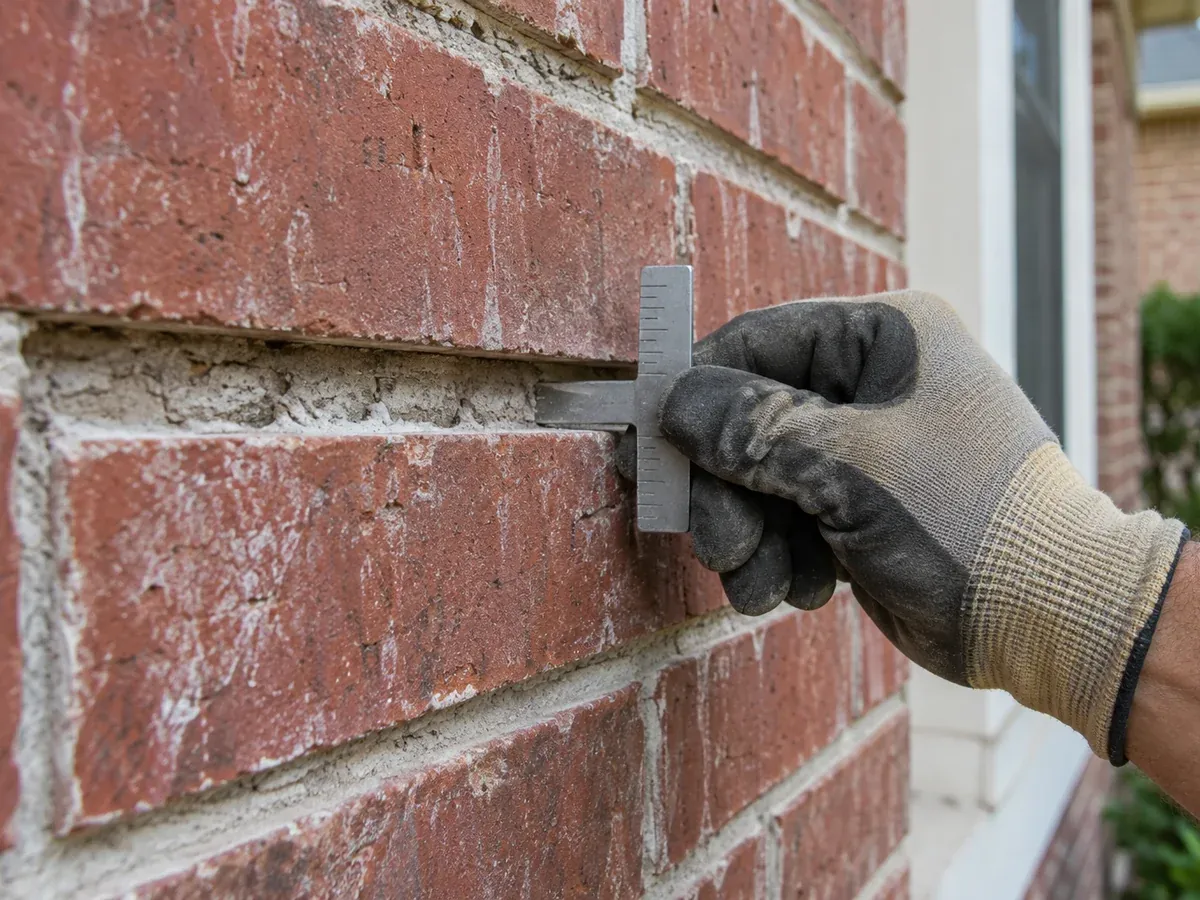
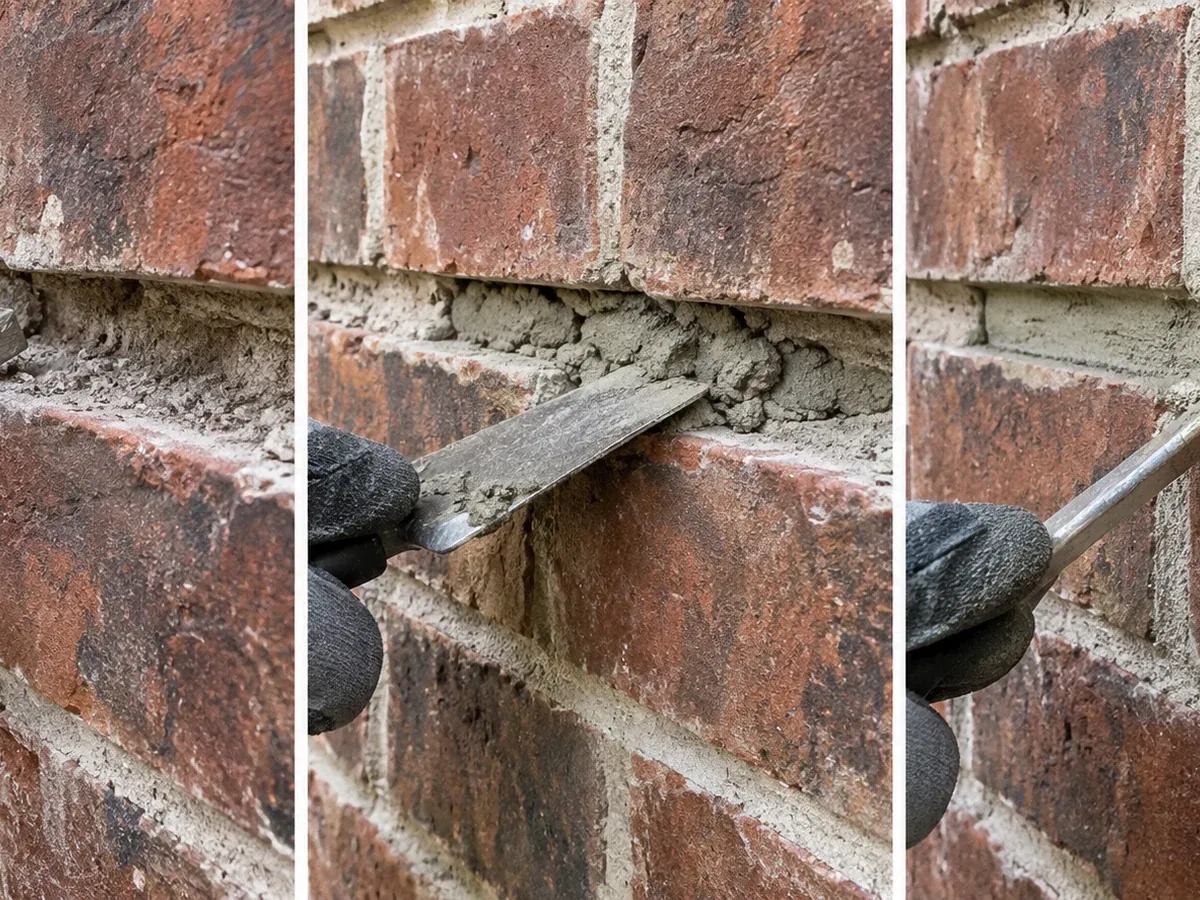
Repointing requires deteriorated mortar to be removed to a sound, workable depth before compatible new mortar is placed and tooled. A thin surface smear may look fresh briefly while leaving weak material behind. Similar correct-versus-incomplete comparisons appear throughout the guides.
Turn educational reading into a written scope
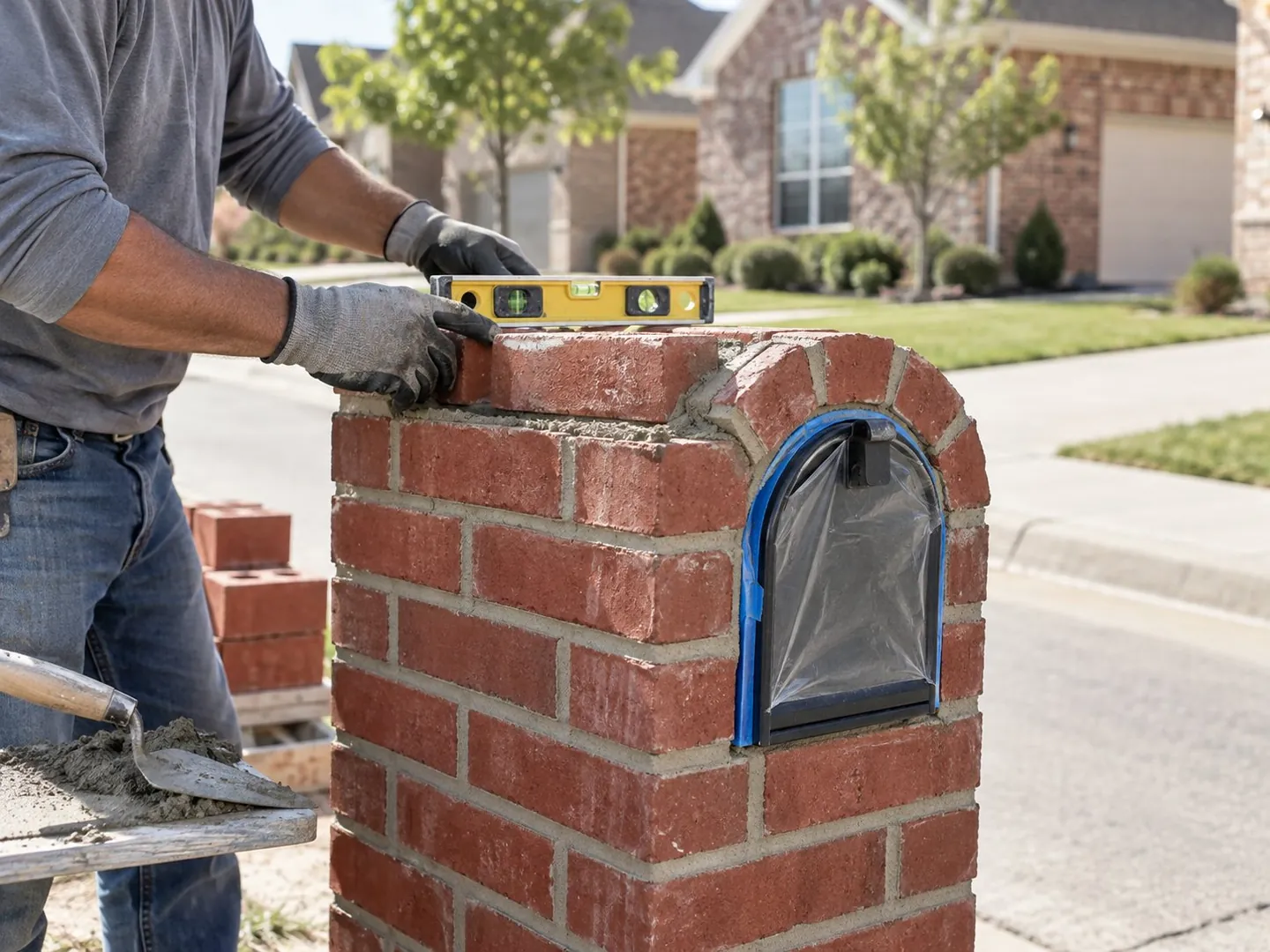
Ask what will be removed, how the repair boundary is chosen, which brick and mortar characteristics are being matched, how adjacent work is protected and what curing or monitoring is expected. Clear exclusions are as important as clear inclusions.
Use the guides for preparation, not remote diagnosis
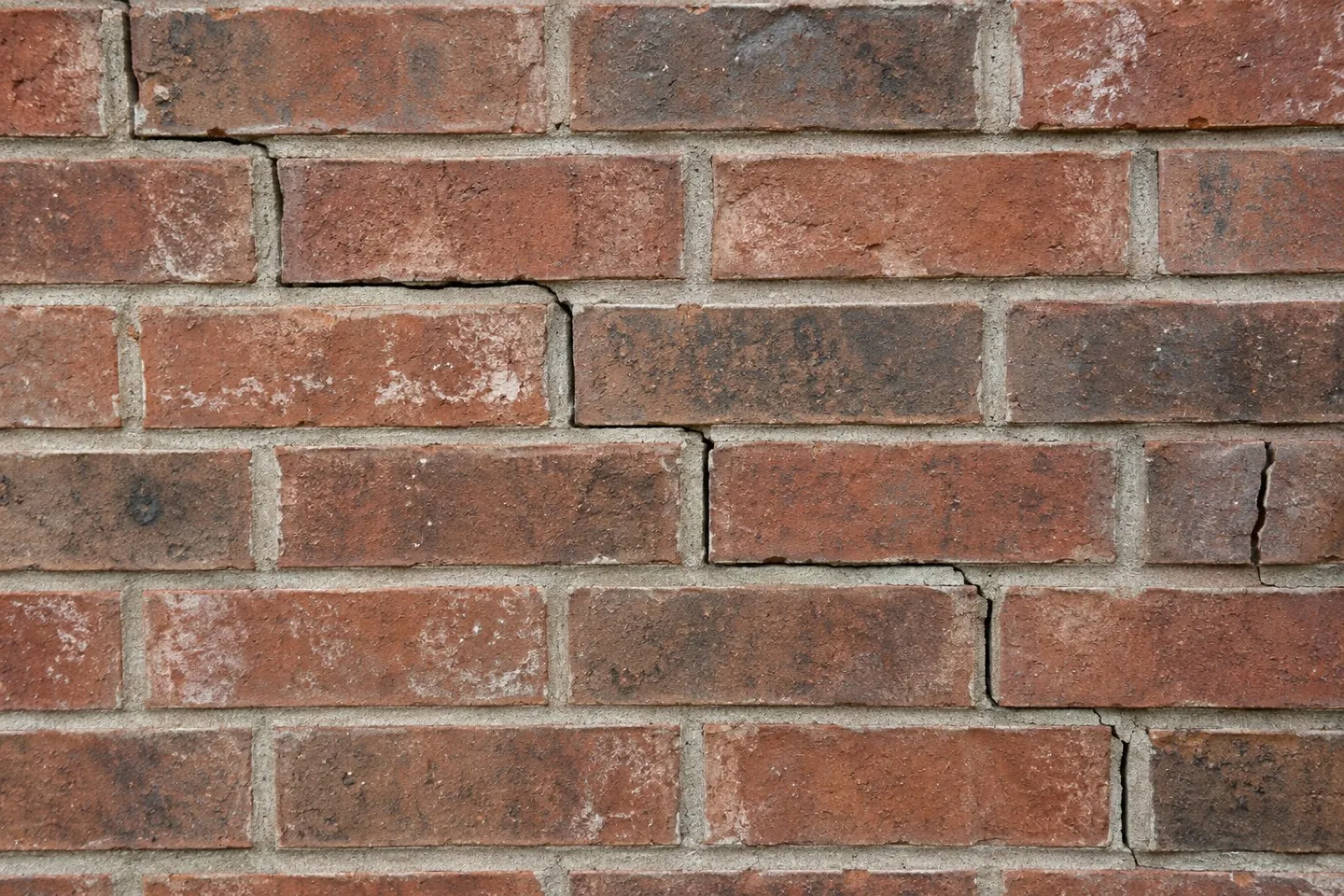
Photos and diagrams help owners understand terminology and communicate efficiently. They cannot confirm concealed ties, corrosion, flashing, support or structural movement. When those conditions matter, the responsible next step is an on-site review or the appropriate specialist.