Document the whole feature
Show the complete elevation or freestanding feature, the condition in context and a close detail. Include openings, grade, roof edges and earlier work when relevant.

Illustrated masonry solutions
These educational examples show how visible brick, mortar and wall conditions connect to inspection questions and service options.
Ask about your masonry condition
Quick startTell us where the work is and what you need. We will reply with a clear next step.
How to use this gallery
Start with the condition that looks most like what you see, then open the related problem and service pages for the complete explanation.
The photographs are work-type illustrations and generated educational examples. They are not presented as completed North Texas Brick & Masonry customer projects, and they do not diagnose a property from appearance alone.
Where is the condition? What changed? What remains hidden behind or below the visible masonry? Those answers separate a useful example from a promise that one method fits every wall.
Common starting points
Each card links to a full symptom page with possible contributors, evaluation steps, repair options, limits and urgency guidance.
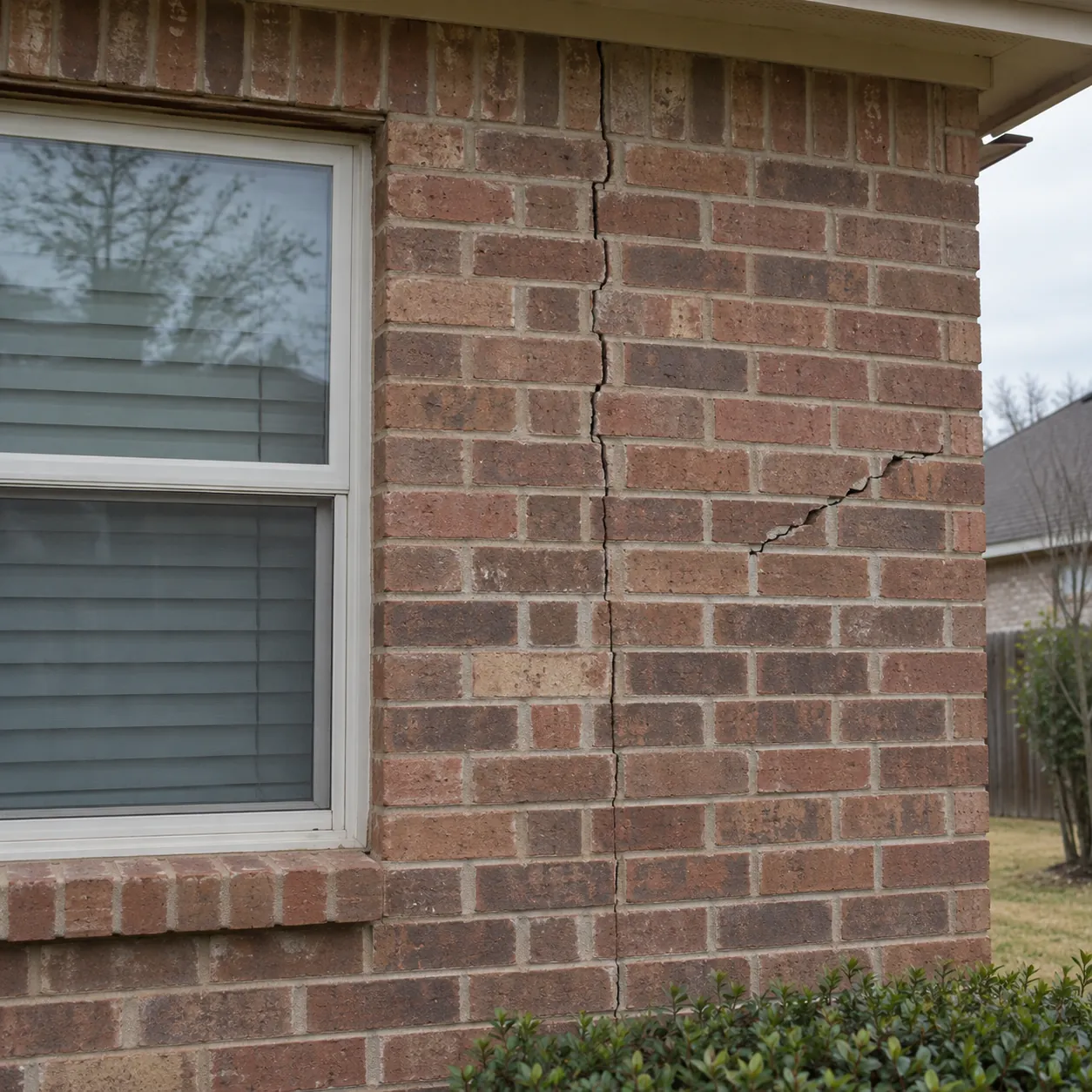
Crack direction, width, displacement and change over time help determine the next question.
Read the condition guide ↗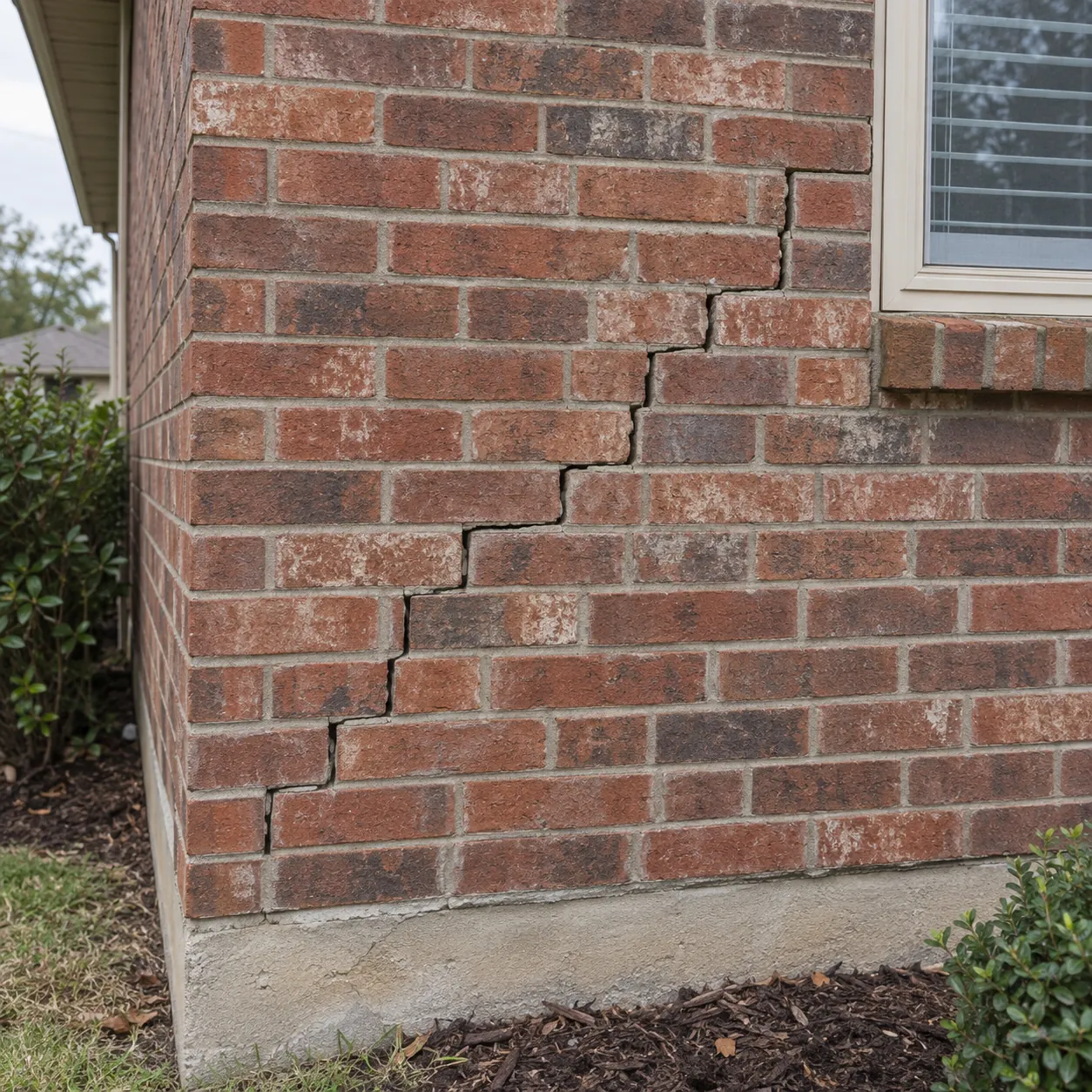
A stepped crack follows mortar joints and may reflect movement, support or opening-related stress.
Read the condition guide ↗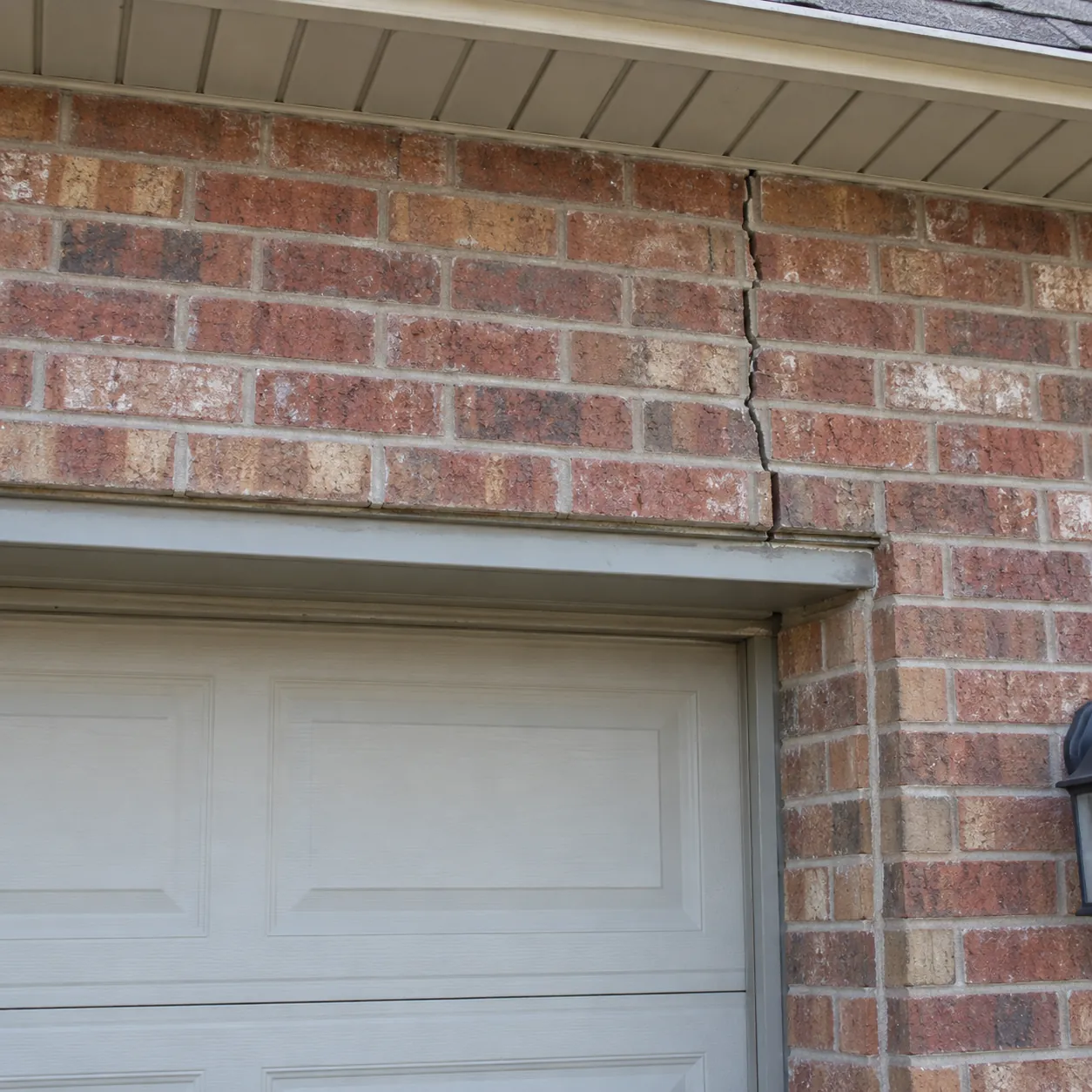
Cracks over openings can involve steel lintels, arches, bearing, corrosion or movement.
Read the condition guide ↗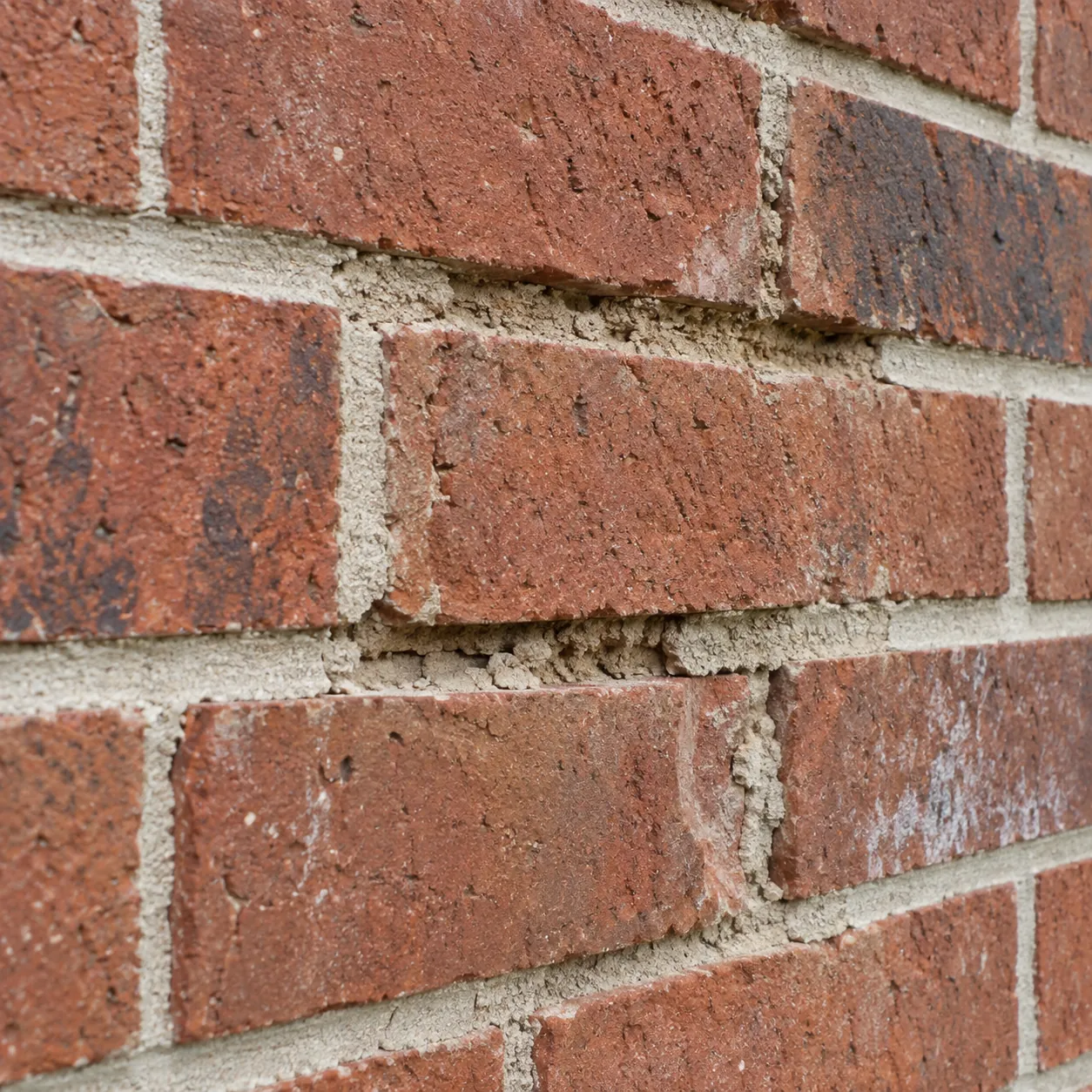
Soft, recessed or missing mortar can admit water and reduce the wall’s weather protection.
Read the condition guide ↗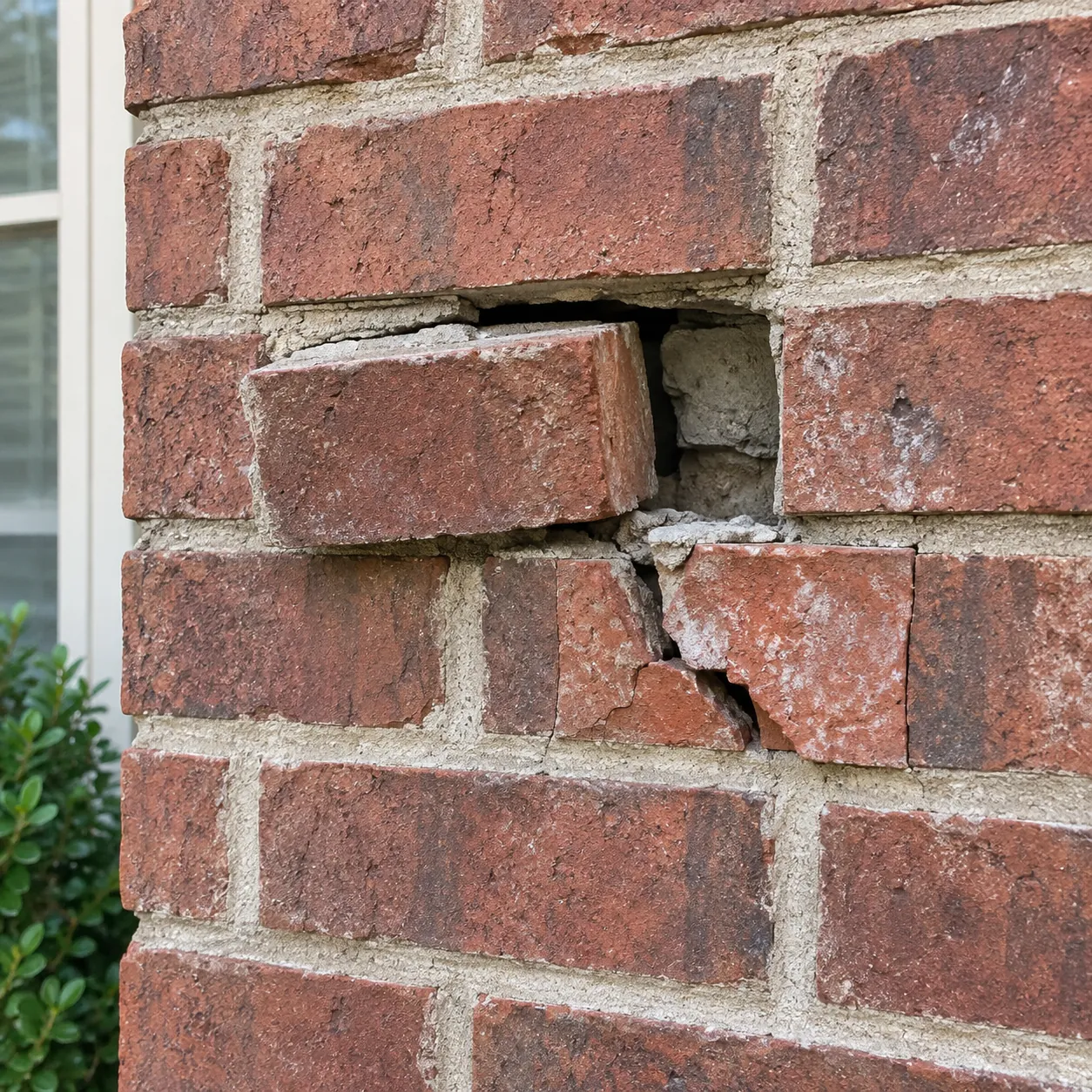
Loose units and impact damage need a stable repair boundary and a compatible replacement.
Read the condition guide ↗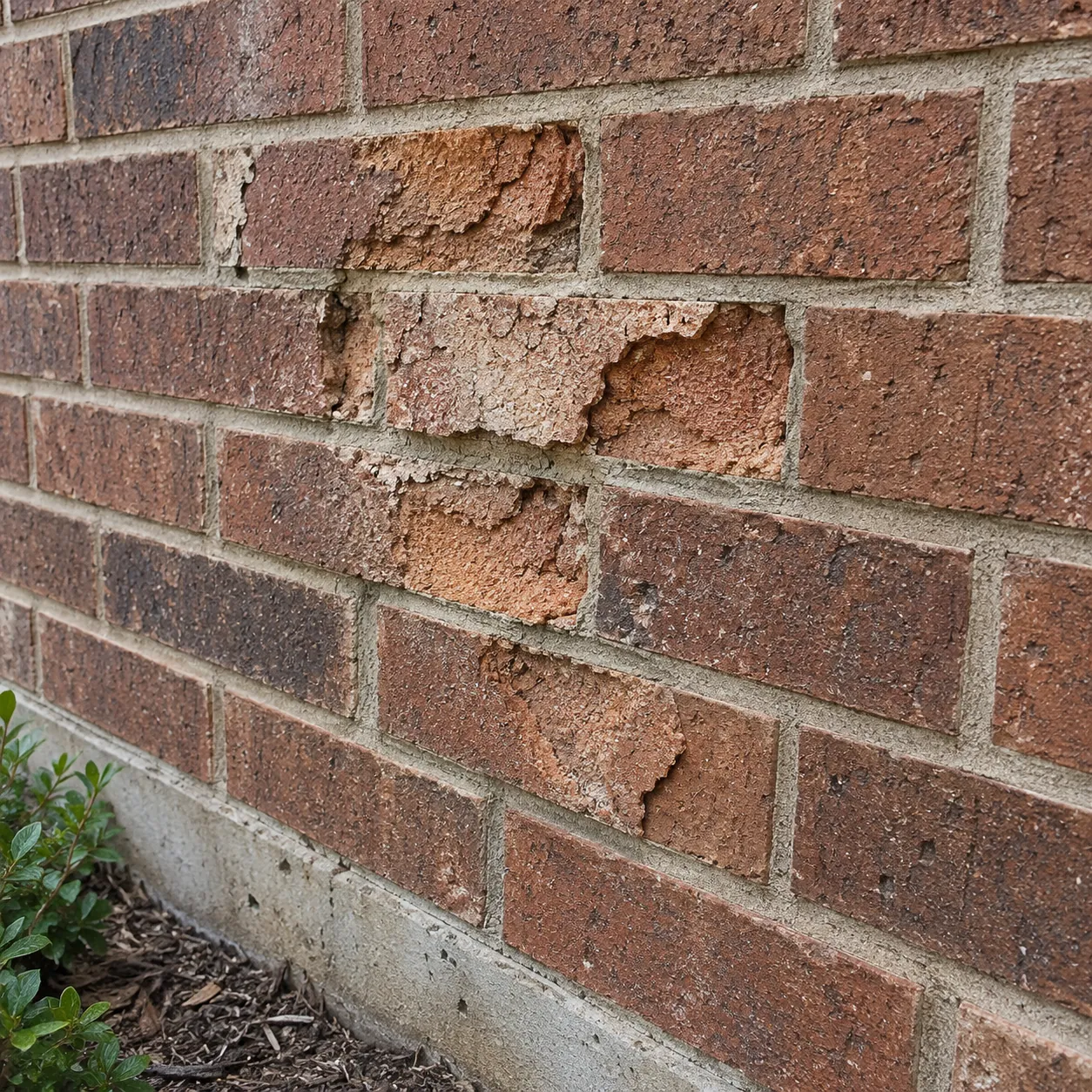
A lost brick face is a symptom often connected to moisture, salts, freeze events or incompatible repair.
Read the condition guide ↗Before → solution → after
A credible repair path explains what evidence changes the scope before it describes the finished appearance.
Show the complete elevation or freestanding feature, the condition in context and a close detail. Include openings, grade, roof edges and earlier work when relevant.
The scope should name the repair boundary, how sound material is identified, the replacement material, protection, curing, cleanup and any condition that would change the method.
Check fullness, alignment, drainage paths, adjacent surfaces and the transition from new work to existing masonry. Fresh material may change as it cures and weathers.
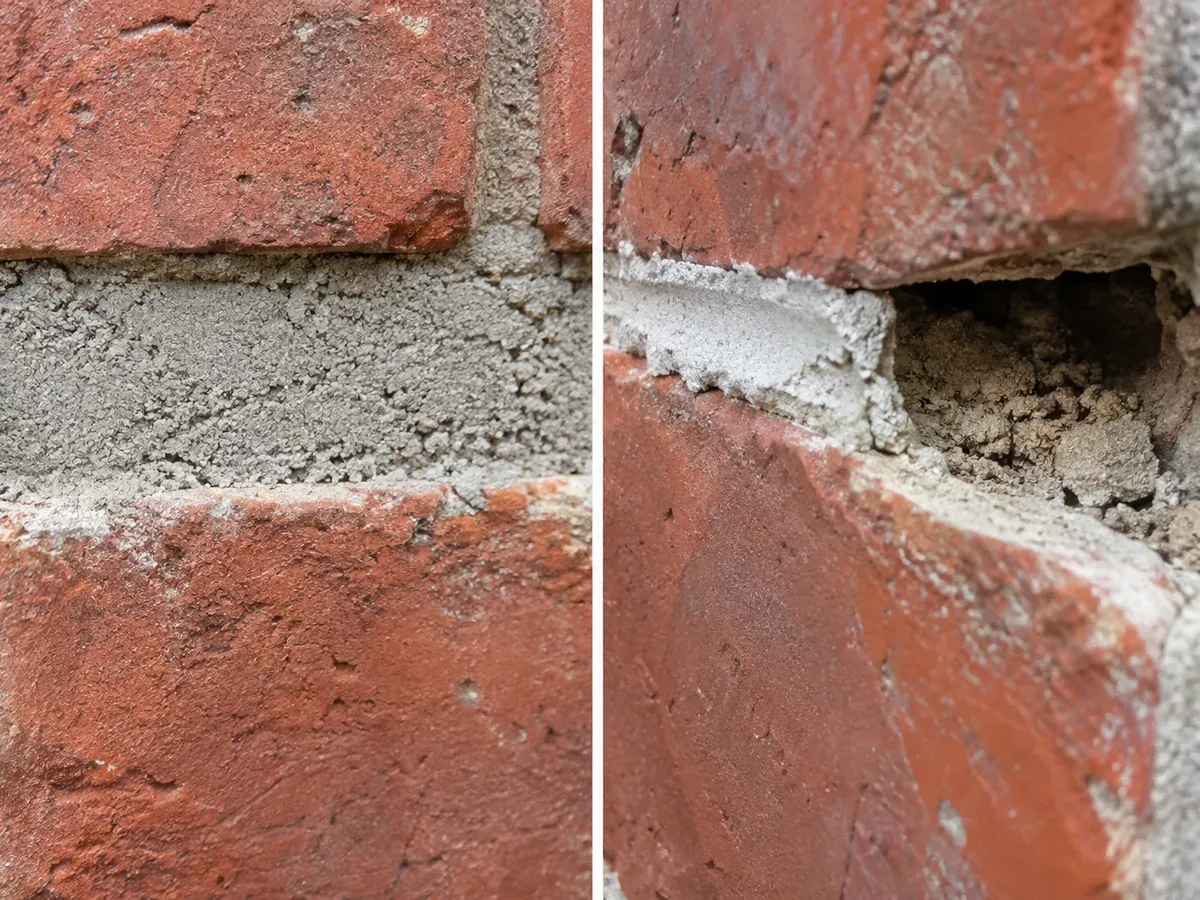
Correct / incomplete
The proposal explains what stays, what is removed, how hidden conditions are handled and how the work is reviewed.
Color alone cannot confirm bond, support, water management, movement accommodation or safe access.
Choose a detailed path
Use the central service pages for fit, process and cost factors; the problem pages for symptom-first reasoning; and the resources for layers, materials and decision guides.
Common questions
No. The images are educational examples and work-type illustrations unless a future project is explicitly identified with verified details and owner permission.
Not always. Photos support triage, but hidden support, water paths, movement, material compatibility, access and safety may require an on-site review.
Send a whole feature, a context view and a close detail with safe scale. Add the city or ZIP and when the condition first appeared.
Start with the problem page that matches the visible symptom, then compare its evaluation path with the related service page before selecting a repair label.
No. Cost depends on quantity, access, preparation, matching, protection, hidden conditions and the written scope. The detailed pages explain those factors without inventing a price.
Keep exploring
What changes masonry repair pricing, access, matching and scope.
Open page ↗Mortar jointsRepointing vs. TuckpointingThe practical difference between joint repair and a decorative historic technique.
Open page ↗Crack guideBrick Crack Patterns and What They May MeanHow direction, location and displacement change the questions to ask.
Open page ↗Decision guideWhen Brick Cracks May Need an EngineerVisible conditions that justify structural review before cosmetic repair.
Open page ↗Start with the project
Send a few details and useful photos for an initial review.